HVAC Financing Options in Jacksonville, FL: What to Know
A Jacksonville homeowner's guide to HVAC financing: manufacturer plans, deferred-interest offers, PACE loans under Florida Statute 163.08, and smart next steps.
Financing a new HVAC system in Jacksonville typically comes down to four routes: manufacturer-backed installment plans through your contractor (often with deferred-interest or reduced-APR promotions), a home equity loan or HELOC through your bank, a personal loan, or a Property Assessed Clean Energy (PACE) assessment repaid through your property tax bill under Florida Statutes § 163.08. Each has different qualification rules, disclosure requirements, and long-term cost implications — and the right choice depends less on the monthly payment and more on what happens if you sell or refinance.
A full system replacement is a significant purchase, and in a Jacksonville summer, it's rarely a purchase you can postpone. The good news: you have real options, and understanding them before you sign helps you avoid the two most common mistakes — anchoring on the lowest monthly payment and skipping the fine print on liens or deferred-interest triggers.
What HVAC financing options do Jacksonville homeowners actually have in 2026?
Jacksonville homeowners generally choose among four financing paths for HVAC replacement: contractor-arranged manufacturer financing (Carrier, Trane, Lennox, Goodman, and similar brands partner with lenders like Wells Fargo and Synchrony), home equity products from a bank or credit union, unsecured personal loans, and PACE assessments where available locally. Each path prices risk differently and attaches to your finances differently — some to your credit, one to your property.
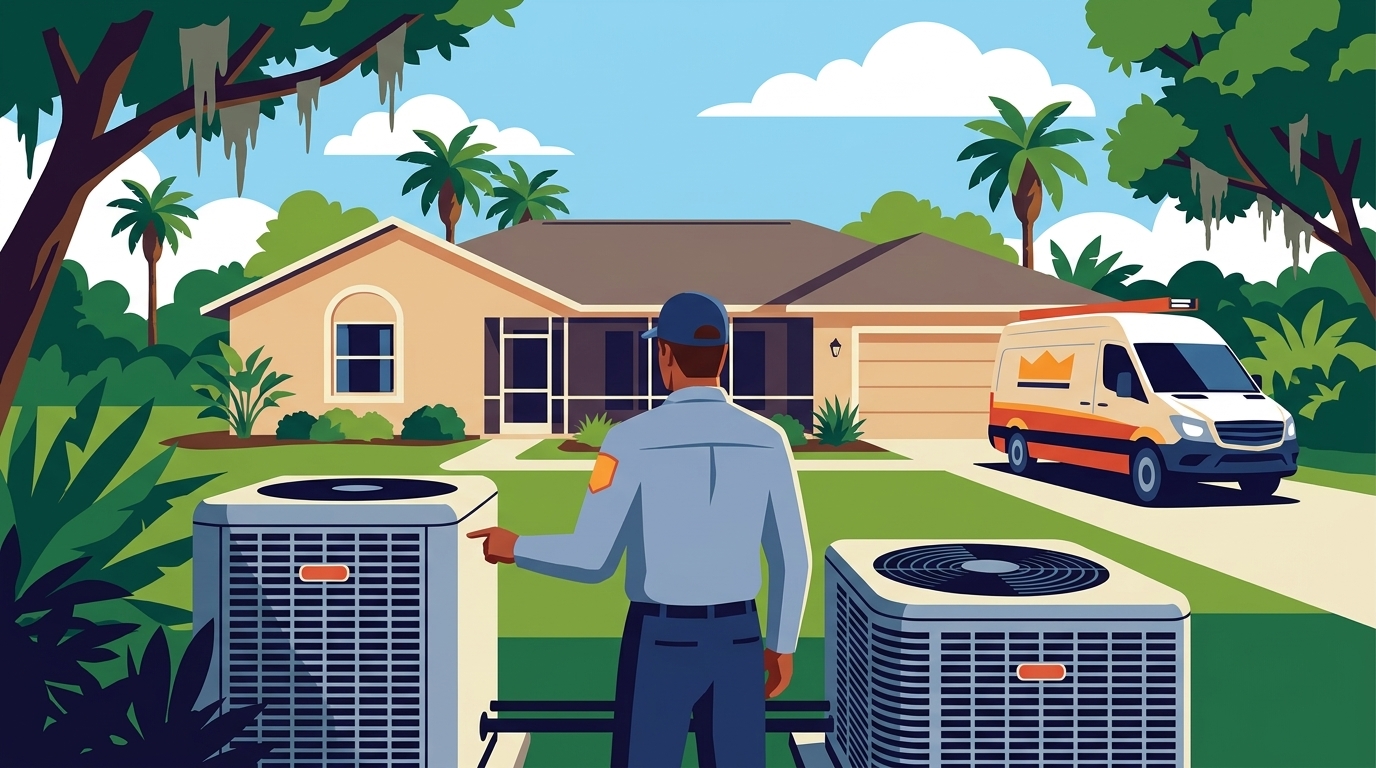
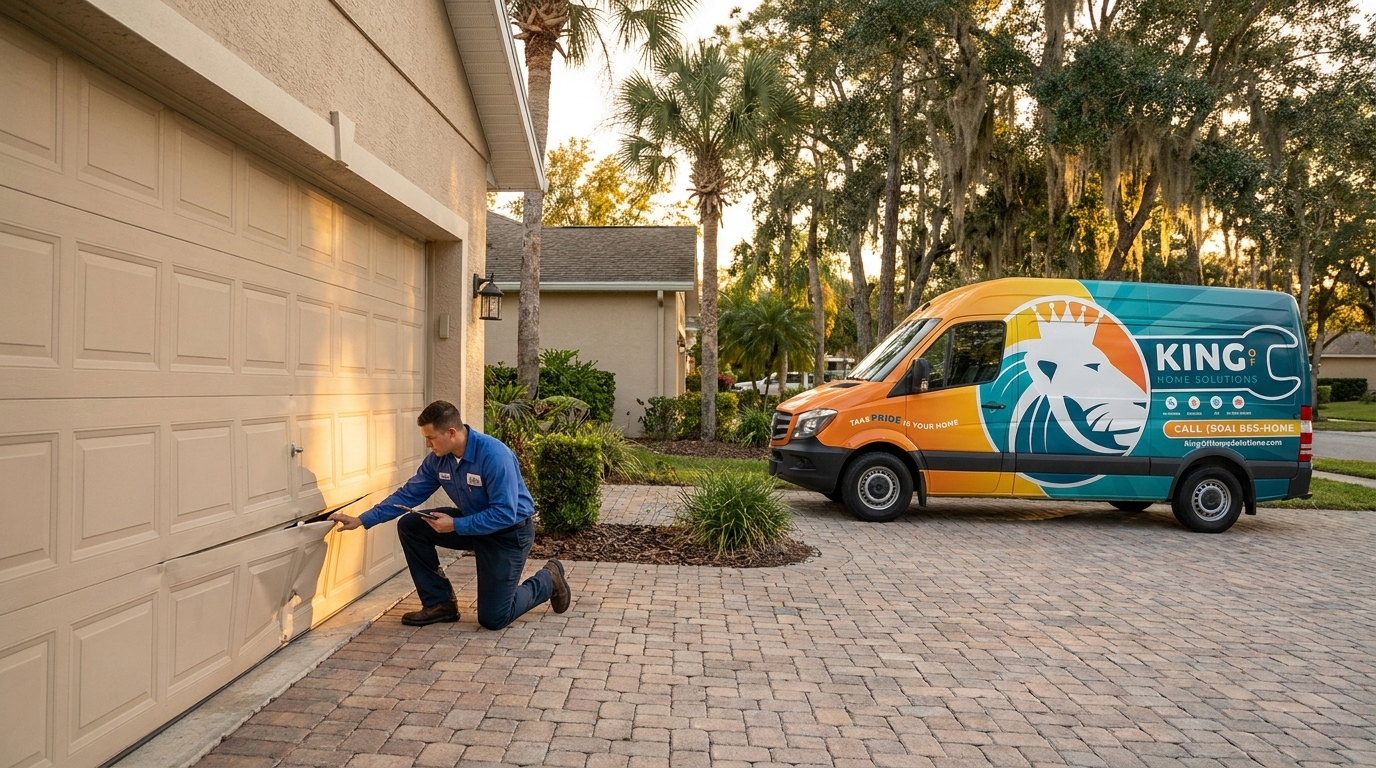
At King of Home Solutions, we walk homeowners through these options during the estimate so the financing conversation happens alongside the equipment conversation, not after. A 16 SEER2 heat pump sized for a Riverside bungalow and a variable-speed system for a larger home in Mandarin or Nocatee will carry very different price tags — and that shapes which financing route makes sense.
Manufacturer and contractor-arranged financing
This is the most common route for HVAC replacement. Promotional structures usually fall into two buckets: reduced-APR fixed installment plans (say, 60 to 120 months at a set rate), or deferred-interest "same-as-cash" promotions (often 12 to 24 months). The catch on deferred-interest plans is real — if you don't pay the full balance by the promo end date, interest accrues retroactively from day one, often at rates above 25%. These plans work beautifully if you have a clear payoff plan and terribly if you don't.
Home equity loans and HELOCs
For homeowners with equity, a fixed-rate home equity loan or a HELOC through a local bank or credit union frequently produces the lowest total interest cost. Rates are typically lower than unsecured options because the loan is secured by your home. The tradeoff is closing time (often two to four weeks) and closing costs — not ideal if your existing system has already failed in July.
Personal loans
Unsecured personal loans from banks, credit unions, or online lenders fund quickly and don't touch your home's title. Rates depend heavily on credit score. For creditworthy borrowers who don't want a lien and don't want to gamble on a deferred-interest promo, this is often the cleanest option.
How does PACE financing work for HVAC in Florida?
It lets local governments create voluntary non-ad valorem assessment programs for permanent energy-efficiency improvements, including qualifying HVAC upgrades. You repay the assessment through your annual property tax bill, and the assessment is a lien on the property until satisfied.
Florida law builds in specific consumer protections. Before you sign, the PACE provider must give you written disclosures covering the estimated total debt, fees, fixed interest rate, APR/effective rate, the fact that the assessment will appear on your property tax bill, the lien nature of the assessment, collection through the real-estate-tax mechanism, and a 3-day right to cancel. PACE financing must be fixed-rate and fully amortizing — variable-rate or negative-amortization structures are not permitted.
For residential property, the total non-ad valorem assessment generally may not exceed 20% of the property's just/fair market value under § 163.08, subject to statutory exceptions. Availability in Jacksonville depends on whether Duval County or an authorized administrator has an active residential PACE program covering your property — the statewide statute alone does not guarantee local participation, so you'll want to verify with the current program administrator before assuming PACE is on the table.
The most important thing to understand about PACE: because the assessment is a lien tied to the property, it can complicate sale or refinance transactions. Some mortgage lenders — including agencies like Fannie Mae and Freddie Mac — have historically been cautious about properties carrying PACE liens. If you plan to sell within a few years, factor that in.
How much does it cost to replace an HVAC system in Jacksonville?
A full HVAC replacement in the Jacksonville market typically covers equipment, refrigerant lines, electrical, permits, and labor. Costs vary widely with system size, efficiency tier, ductwork condition, and whether you're doing a straight swap or reconfiguring. The table below is a general framing of what most Duval County homeowners see quoted — your actual number depends on your load calculation and home.
| System type | Typical use case | General cost range |
|---|---|---|
| Straight-cool AC + air handler (14–15 SEER2) | Budget replacement, smaller home | Lower end of the market |
| Heat pump system (15–16 SEER2) | Most common Jacksonville replacement | Mid-range |
| Variable-speed high-efficiency (17+ SEER2) | Larger homes, humidity control priority | Upper end |
| Full system + ductwork replacement | Older homes, leaky or undersized ducts | Highest tier |
Two Jacksonville-specific cost drivers to keep in mind: Florida's summer humidity load pushes many homeowners toward variable-speed equipment that dehumidifies better, and mechanical work in Duval County requires permits and inspections through the City of Jacksonville's permitting process — that cost is bundled into a reputable contractor's quote and should never be skipped.
How do you choose a good HVAC contractor when financing is part of the deal?
Prioritize a Florida-licensed, insured contractor who provides an itemized written estimate, performs a Manual J load calculation rather than sizing by square footage, pulls the required Duval County permit, and presents financing terms in writing with the APR, total finance charge, and promotional trigger dates spelled out. If a contractor pushes a single financing option without explaining alternatives, that's a signal to slow down.
King of Home Solutions holds a 4.9-star rating across 55 Google reviews, with customers consistently pointing to clear communication and fair pricing. One reviewer described the experience as "professional, on time, excellent communication and great price" — the kind of straightforward exchange that matters even more when you're signing a financing agreement alongside the installation contract.
A few practical filters for evaluating any Jacksonville HVAC contractor:
- Verify the state contractor license and general liability/workers' comp insurance.
- Ask which permits will be pulled and confirm the inspection is included.
- Request the manufacturer warranty terms in writing (typically 10 years on parts for major residential brands when registered on time).
- Get the financing disclosure — including APR and any deferred-interest trigger — before you sign.
- Compare at least two written proposals for equipment of similar tier and efficiency.
Frequently asked questions
Is PACE financing available in Jacksonville right now?
PACE availability in Jacksonville depends on whether Duval County or an authorized program administrator has an active residential PACE program covering your specific property. Florida Statutes § 163.08 authorizes PACE statewide, but each local government decides whether to participate. Verify current program status directly with the applicable local administrator before assuming PACE is an option for your replacement.
What's the difference between deferred-interest and reduced-APR financing?
Reduced-APR financing charges a set, lower interest rate over the full term — you pay interest, but at a predictable rate. Deferred-interest "same-as-cash" plans charge no interest if you pay the full balance by the promotional end date, but if you don't, interest is charged retroactively from day one at the standard rate, often above 25%. Reduced-APR is safer; deferred-interest rewards disciplined payoff.
Does PACE financing require a credit check?
PACE providers commonly advertise that traditional credit scoring is not the qualification driver, since eligibility is tied primarily to home equity and property tax payment history rather than credit score. However, no-credit-score qualification is not a universal statutory requirement under Florida Statutes § 163.08 — it's a common program feature. Always confirm the specific qualification criteria with the current PACE administrator.
Can the PACE lien affect selling or refinancing my home?
Yes. Under Florida Statutes § 163.08, the PACE assessment is a lien on the property that remains until satisfied, which can affect sale or refinance transactions. Some mortgage lenders require the PACE balance to be paid off at closing, and buyers may negotiate around it. If you expect to sell or refinance within a few years, factor this in before choosing PACE.
How long do I have to cancel a PACE financing agreement?
Florida Statutes § 163.08 requires PACE providers to give homeowners a 3-day right to cancel after signing, along with written disclosures covering total debt, fees, fixed interest rate, APR, and the lien nature of the assessment. If any of those disclosures are missing or unclear, do not sign — the disclosures themselves are a legal requirement, not a courtesy.
Is manufacturer financing through my HVAC contractor a good deal?
Manufacturer-backed financing through your contractor can be an excellent deal when it's a genuine reduced-APR promotion and you understand the terms. It's less attractive when it's a deferred-interest plan you may not pay off in time, or when the equipment price has been marked up to fund the promotion. Always compare the financed price against a cash price for the same equipment, and read the disclosures.
The bottom line for Jacksonville homeowners
The right HVAC financing choice is the one that matches how you actually manage money and how long you plan to stay in the home. Deferred-interest promos reward disciplined payoff; home equity products reward equity-rich homeowners who can wait a few weeks; personal loans reward creditworthy borrowers who want simplicity; PACE rewards homeowners who value fixed-rate, no-credit-score qualification and understand the lien implications. None of these is universally best — each is best for a specific situation.
Jacksonville homeowners who want the financing conversation handled alongside the equipment recommendation, with the disclosures spelled out in plain English, can reach King of Home Solutions at kingofhomesolutions.com to schedule an estimate. This article is general guidance, not legal or financial advice — verify current PACE program availability and disclosure requirements directly with the applicable local administrator and consult a qualified advisor for decisions specific to your situation.