Burst Pipe Emergency Steps in Atlantic Beach, FL
A burst pipe floods fast. Learn the exact first steps to stop the water, limit damage, and know when to call an Atlantic Beach plumber.
If a pipe just burst in your home, shut off the main water valve first, then cut power to any affected rooms at the breaker, and call a licensed emergency plumber. Every minute you wait, water spreads roughly 4-8 gallons further into your flooring, drywall, and subfloor — and in Atlantic Beach's humid coastal climate, mold can start colonizing wet materials within 24-48 hours.
That's the whole game with a burst pipe: it's not the break itself that ruins a house, it's the delay between the break and the shutoff. Below is what to do in the first 10 minutes, what waiting actually costs at each stage, and when it's safe to slow down.
What should you do in the first 10 minutes of a burst pipe?
Shut off the main water supply at the meter or the house shutoff valve, kill electricity to any wet rooms at the breaker panel, open the lowest faucets in the home to drain remaining pressure, and move valuables away from the water. Then photograph everything before cleanup — your insurer will ask.
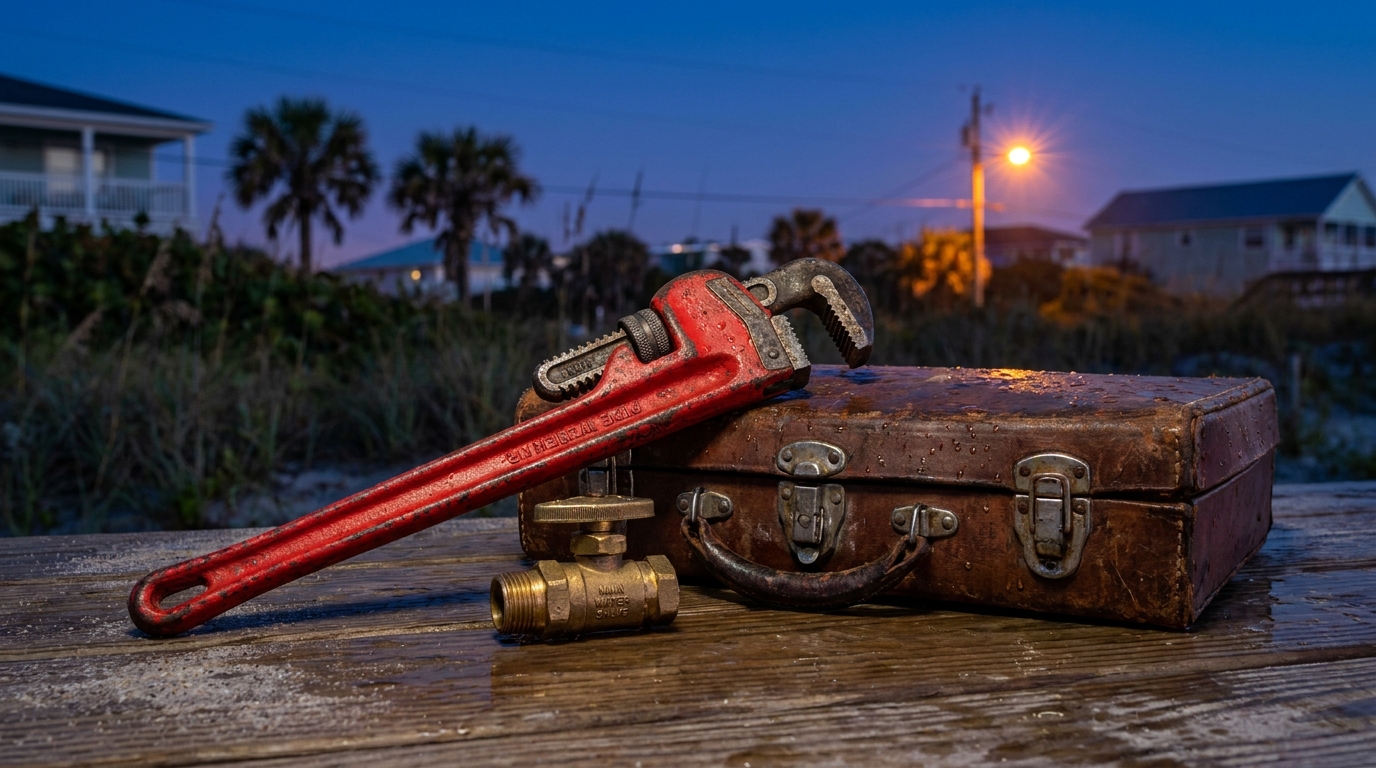
In most Atlantic Beach homes, the main shutoff is either at the water meter near the street (you'll need a meter key or a large adjustable wrench) or on the exterior wall closest to the street, often near the hose bib. Slab-built homes here rarely have a basement shutoff, so if you've never located yours, walk the perimeter now — before you need it.
Once water is off, open a cold tap on the lowest level and a hot tap upstairs. This drains the remaining pressure in the lines and slows the leak at the burst site while you wait for help.
How much does waiting actually cost with a burst pipe?
Waiting turns a repair job into a reconstruction job. A burst supply line under normal household pressure discharges 4-8 gallons per minute — meaning a 30-minute delay puts 120-240 gallons into your home. According to FEMA, one inch of interior flooding averages around $25,000 in damage to a single-story home.
Here's how the cost curve typically breaks down for Atlantic Beach homeowners:
| Time Since Burst | What's Happening | Typical Damage Scope |
|---|---|---|
| 0-15 minutes | Water pooling, localized soaking | Pipe repair + minor drywall patch |
| 15-60 minutes | Water migrates into subfloor and wall cavities | Flooring replacement, insulation removal |
| 1-24 hours | Drywall wicks moisture up studs; cabinets swell | Cabinet replacement, extensive drywall cuts |
| 24-48 hours | Mold growth begins on cellulose materials | Mold remediation added to reconstruction |
| 48+ hours | Structural framing saturation, hidden mold behind walls | Full remediation, air-quality testing, possible framing repairs |
The 48-hour mark is the one to remember. The EPA's guidance is clear: wet materials that aren't dried within 24-48 hours will likely grow mold. In our coastal environment — where indoor humidity often sits above 60% year-round in neighborhoods from Selva Marina to the beachside blocks off Seminole Road — that window is even tighter.
How do you stop water from a burst pipe if you can't find the main shutoff?
If you can't locate the main shutoff, close the nearest fixture shutoff valve (under sinks, behind toilets, near the water heater), then call your water utility's emergency line to have service shut off at the street. In Atlantic Beach, water service is provided through the JEA system, which operates a 24/7 emergency line for exactly this scenario.
While you wait, wrap the burst section tightly with a rubber sheet, bike inner tube, or thick towel secured with hose clamps or duct tape. This is a stopgap, not a fix — but it can cut the flow by 50-80% until a plumber arrives.
When is it safe to wait until morning versus calling right now?
Call immediately if water is actively flowing, if it's near any electrical outlet or panel, if it's spreading to more than one room, or if the affected area includes hardwood floors, cabinetry, or finished ceilings below. Wait until business hours only if the leak is fully contained, the water is off, and the affected material is limited to a bathroom tile floor or unfinished garage.
The math is straightforward: after-hours emergency plumber rates in the Atlantic Beach area typically run $150-$350 above a standard service call, but a next-morning appointment on a leak that's still slowly weeping into a wall cavity can add thousands in mold remediation. Waiting only saves money when the water is genuinely, completely stopped.
Why do pipes burst in Atlantic Beach homes?
The three most common causes here are corrosion in older copper and galvanized supply lines, freeze events during the occasional January or February cold snap, and mechanical failure at fittings — often in homes built before Florida's 2026 plumbing code updates. Slab leaks are also more common in Atlantic Beach's older single-story housing stock because supply lines run through or under the concrete slab.
Freeze-related bursts caught many Duval County homeowners off guard during recent freeze events, particularly in exposed pipes under raised sections, on exterior walls, and in unconditioned attic runs. If a hard freeze is forecast, drip your taps and open cabinet doors under sinks on exterior walls — a $5 precaution against a $25,000 repair.
What should you look for in an emergency plumber in Atlantic Beach?
Look for a Florida-licensed plumbing contractor (CFC license number, verifiable on the state DBPR site), documented liability insurance, a published emergency response window, and clear pricing before work begins. Reviews that specifically mention responsiveness during off-hours are more useful than generic five-star praise.
King of Home Solutions serves Atlantic Beach with emergency plumbing response and holds a 4.9-star rating across 55 Google reviews, with customers repeatedly citing responsiveness "even during a holiday week" and clear communication from the first phone call. For burst pipe situations, that responsiveness — and the ability to coordinate water mitigation and repair under one roof — is what separates a manageable claim from a gutted living room.
Frequently Asked Questions
Will homeowners insurance cover a burst pipe in Florida?
Most Florida homeowners policies cover sudden and accidental water damage from a burst pipe, including drying, tear-out, and reconstruction — but not the pipe repair itself. Coverage is typically denied if the insurer determines the leak was gradual or the homeowner failed to mitigate damage promptly. Document everything with photos and video before cleanup begins, and call your carrier the same day.
How do I know if I have a slab leak versus a wall leak?
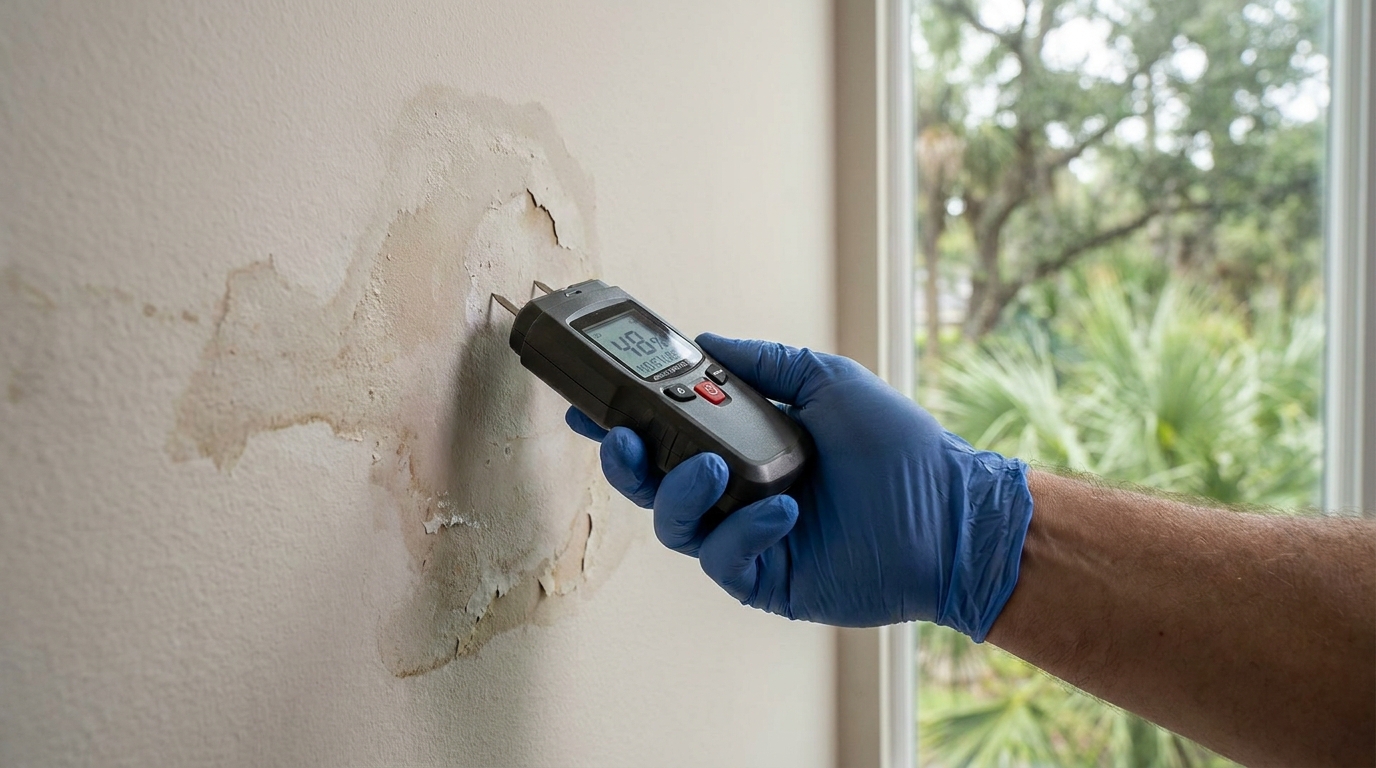
Slab leaks in Atlantic Beach homes show up as warm spots on tile floors, unexplained increases in your JEA water bill, the sound of running water when everything is off, or damp baseboards with no visible source above. Wall leaks usually show visible staining, bubbling paint, or active dripping. Both need professional detection equipment — never cut into a slab or wall blindly.
Can I repair a burst pipe myself?
You can apply a temporary clamp or epoxy putty to stop or slow a leak, but permanent repair should be done by a licensed plumber, especially for copper, PEX, or CPVC systems inside walls. Florida law requires licensed contractors for most plumbing work beyond fixture replacement, and DIY repairs on pressurized lines often fail within weeks — often when you're not home.
How long does burst pipe repair take?
A straightforward accessible burst pipe repair typically takes 1-3 hours once a plumber is on site. Repairs inside walls, ceilings, or slabs range from 4 hours to a full day, and total restoration including drywall, flooring, and drying can span 3-10 days depending on the extent of water intrusion and Atlantic Beach's ambient humidity, which slows drying times compared to drier climates.
What's the average cost of burst pipe repair in Atlantic Beach?
Emergency burst pipe repair in the Atlantic Beach area typically runs $400-$1,500 for accessible pipes, $1,500-$4,000 for in-wall or ceiling repairs, and $3,500-$8,000+ for slab leak repair depending on access method (spot repair, reroute, or repipe). Water mitigation and reconstruction are separate and often billed through your insurance claim rather than the plumber.
Should I turn off my water heater during a burst pipe emergency?
Yes. After shutting the main water valve, turn off the water heater at the breaker (electric) or set the gas valve to "pilot" or "off" (gas). Once the tank stops receiving cold water refill, its heating element can burn out or the tank can overheat. This 30-second step protects a $1,200-$2,500 appliance.
The bottom line
A burst pipe is a timing problem more than a plumbing problem. The homeowners who come out of it with a repair bill instead of a reconstruction project are the ones who knew where their shutoff was, moved in the first five minutes, and had a licensed plumber's number saved before they ever needed it.
Atlantic Beach homeowners who want a professional on the way while the water is still spreading can reach King of Home Solutions at https://kingofhomesolutions.com for emergency plumbing response, leak diagnosis, and coordinated repair.