How to Choose a Licensed Plumber in Jacksonville, FL
Learn how to verify a Florida plumber's license, check credentials through DBPR, and confidently hire a qualified plumbing contractor in Jacksonville.

The single most important step when hiring a plumber in Jacksonville is verifying that they hold a valid Certified Plumbing Contractor license through the Florida Department of Business and Professional Regulation (DBPR). Everything else — reviews, pricing, availability — comes second. A properly licensed plumber has passed state exams, cleared a background check, and carries insurance that protects your home if something goes wrong.
Here's how to do that verification quickly, what Florida actually requires of licensed plumbers, and what to watch for in the Jacksonville market specifically.
Why Licensing Matters More in Florida Than You Might Think
Florida regulates plumbing contractors under Chapter 489, Part I of the Florida Statutes, with the Construction Industry Licensing Board (CILB) issuing statewide Certified Plumbing Contractor licenses. An unlicensed "handyman" who reroutes a drain line or replaces a water heater is operating outside the law — and if that work fails, your homeowners insurance may deny the claim.
This matters even more in Jacksonville because our older housing stock in neighborhoods like Riverside, Avondale, and Springfield often has aging cast iron drain lines, galvanized supply pipes, and slab foundations that don't forgive amateur work. Add in our humidity, occasional freeze events, and the salt air near Atlantic Beach and Jacksonville Beach, and small plumbing mistakes turn into big problems fast.
How to Verify a Plumber's License in Florida
You can verify any plumbing contractor's license status and disciplinary history through the DBPR/CILB online license database at myfloridalicense.com. It takes about two minutes and it's free.
Here's the process:
- Go to the DBPR license search at myfloridalicense.com.
- Search by the contractor's name, the business name, or the license number they should provide you.
- Confirm the license type is "Certified Plumbing Contractor" and the status is "Current, Active."
- Review the disciplinary history section for any complaints, fines, or suspensions.
If a plumber can't or won't give you their license number before you hire them, treat that as your answer. Reputable providers like King of Home Solutions expect this question and welcome it.
What Florida Requires of a Certified Plumbing Contractor
Getting a state plumbing license in Florida is not easy, which is part of why the credential is meaningful. To become a Certified Plumbing Contractor, an applicant must:
- Have at least 4 years of plumbing experience, including at least 1 year in a supervisory or foreman role.
- Pass both a Business & Finance exam and a Trade Knowledge exam administered or approved by DBPR/CILB.
- Submit electronic fingerprints for state and federal criminal history background screening.
- Demonstrate financial responsibility — typically a credit score of 660 or higher, or a surety bond or letter of credit as an alternative.
- Maintain minimum liability insurance of $100,000 public liability and $25,000 property damage, plus workers' compensation coverage or a valid exemption.
That insurance requirement is the one homeowners underestimate. If an uninsured worker damages your line to the city main or floods a downstairs unit in a Southbank condo, you don't want to be the one chasing reimbursement.
Local Certificates vs. State Certification
Local jurisdictions in Florida can issue local certificates of competency for locally regulated contractors, but a local certificate does not substitute for a state Certified Plumbing Contractor license when it comes to statewide contracting. For most homeowners in Duval County, the safest baseline is a state-certified contractor — that credential is valid anywhere in Florida and carries the full weight of CILB oversight.
Permits: When You Need One in Jacksonville
Plumbing work in Jacksonville generally requires a permit and must be performed by a licensed plumbing contractor. The City of Jacksonville Building Inspection Division handles permitting and inspection, which creates an official record of the work — useful when you sell the house, file an insurance claim, or need to prove the repair was done to code.
There are limited exceptions for minor tasks, including:
- Faucet replacements downstream of the shutoff valve.
- Drain clearing that does not involve pipe or valve replacement.
- Minor leak repairs as defined by local code.
Anything involving repiping, water heater replacement, sewer line work, gas lines, or fixture relocation almost always requires a permit. If a contractor offers to skip the permit to save you money, they're offering to shift the risk onto you — the homeowner is the one left holding an unpermitted repair when the inspector or the next buyer's home inspector finds it.
Questions to Ask Before You Hire
Once you've confirmed a Florida license, a short conversation tells you most of what you need to know:
- What is your DBPR license number, and can I verify it before we schedule?
- Do you pull the permit, or do you expect me to?
- Do you carry the required liability insurance and workers' comp? Can you send a certificate of insurance (COI)?
- Is the estimate in writing, itemized, with parts and labor separated?
- What is your warranty on the work, and is it in writing?
A licensed Jacksonville plumber will answer all five without hesitation. If any answer is vague — especially around permits, insurance, or written warranties — keep calling.
Red Flags Specific to the Jacksonville Market
A few patterns show up more often here than elsewhere:
- Storm-chasing after named storms. After tropical systems or the occasional hard freeze, out-of-state and unlicensed operators appear. Always verify Florida licensure, not just "we're licensed."
- Cash-only, no written estimate. A Certified Plumbing Contractor has a business structure that supports written estimates and traceable payments.
- Pressure to skip the permit for water heaters or repipes. Both almost always require one in Duval County.
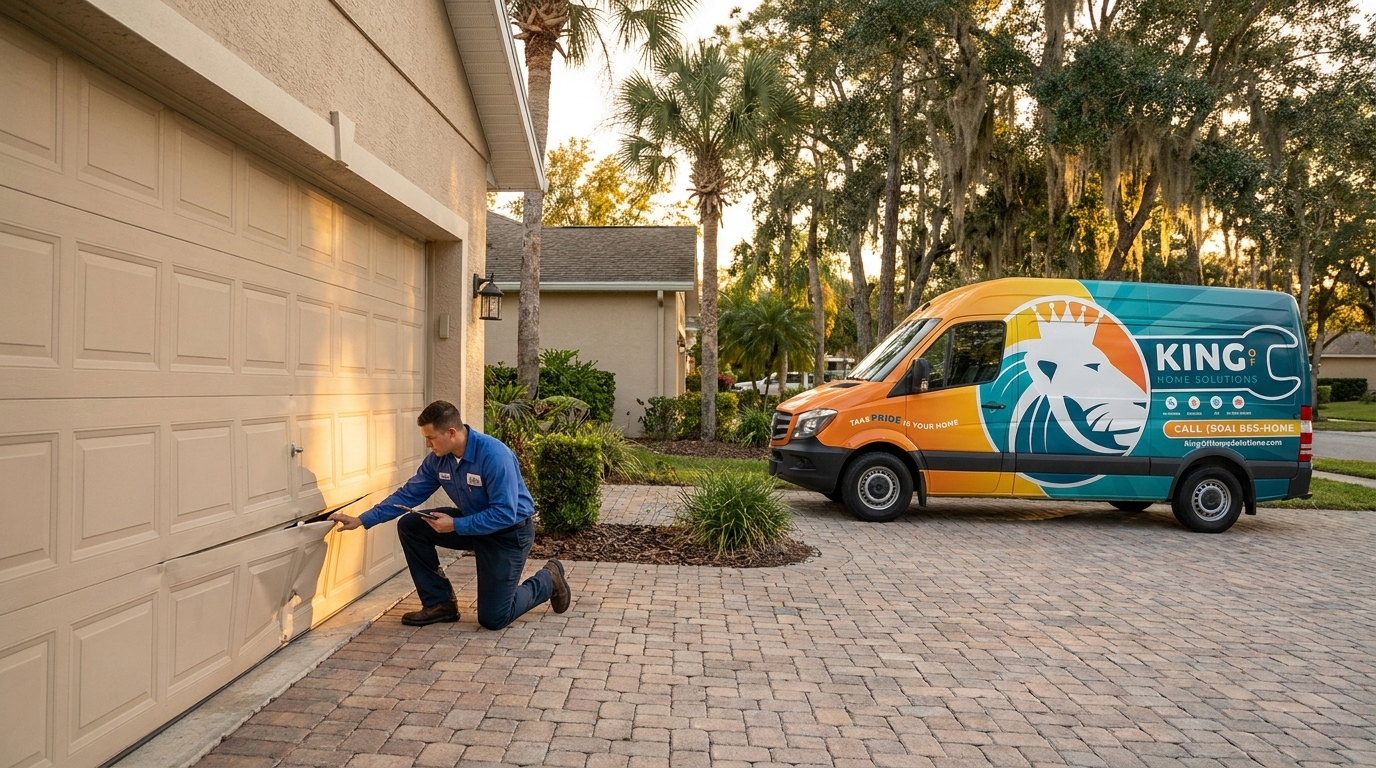
- Vague business names on the truck with no license number displayed. Florida-licensed contractors typically display credentials on marketing materials and vehicles.
Frequently Asked Questions
How do I verify a plumber's license in Florida?
Search the DBPR/CILB online license database at myfloridalicense.com by name or license number. Confirm the license type is "Certified Plumbing Contractor," the status is active, and check the disciplinary history.
Does every plumbing job in Jacksonville need a permit?
No. Minor tasks like faucet replacements downstream of the shutoff, drain clearing without pipe or valve replacement, and minor leak repairs are generally exempt. Most other work — water heaters, repipes, sewer lines, fixture relocation — requires a permit through the City of Jacksonville Building Inspection Division.
What insurance should a licensed Florida plumber carry?
An active Certified Plumbing Contractor must carry at least $100,000 in public liability and $25,000 in property damage coverage, plus workers' compensation or a valid exemption. Ask for a certificate of insurance before work begins.
Can a local handyman legally do plumbing work in Jacksonville?
Only within narrow limits. Local certificates of competency do not substitute for a state Certified Plumbing Contractor license for most plumbing work, and unlicensed contracting is subject to enforcement action by DBPR and the state.
What if I already hired an unlicensed plumber and the work failed?
You can file a complaint with DBPR against an unlicensed contractor, but recovery is often difficult. This is exactly the scenario licensing exists to prevent — verify before you hire, not after.
The Bottom Line
Choosing a plumber in Jacksonville comes down to one filter applied first: is this contractor a Certified Plumbing Contractor in active status with DBPR, carrying the required insurance, and willing to pull the permit? Everything else — pricing, personality, availability — is a secondary comparison among the plumbers who clear that bar.
Homeowners in Jacksonville, FL who want this handled by a licensed team can reach King of Home Solutions at https://kingofhomesolutions.com for a free estimate. Verify the license, confirm the insurance, and get the work put on paper — that's how a plumbing project ends well.
This article summarizes regulatory information as of 2026 and is not legal advice. Verify current requirements directly with DBPR, CILB, and the City of Jacksonville Building Inspection Division before relying on specific figures.