HVAC Contractor Comparison Guide for Beach Haven, Jacksonville Homeowners
A practical buyer's guide to comparing HVAC contractors in Beach Haven, Jacksonville — pricing, licensing, refrigerant transition, and what to ask before you hire.
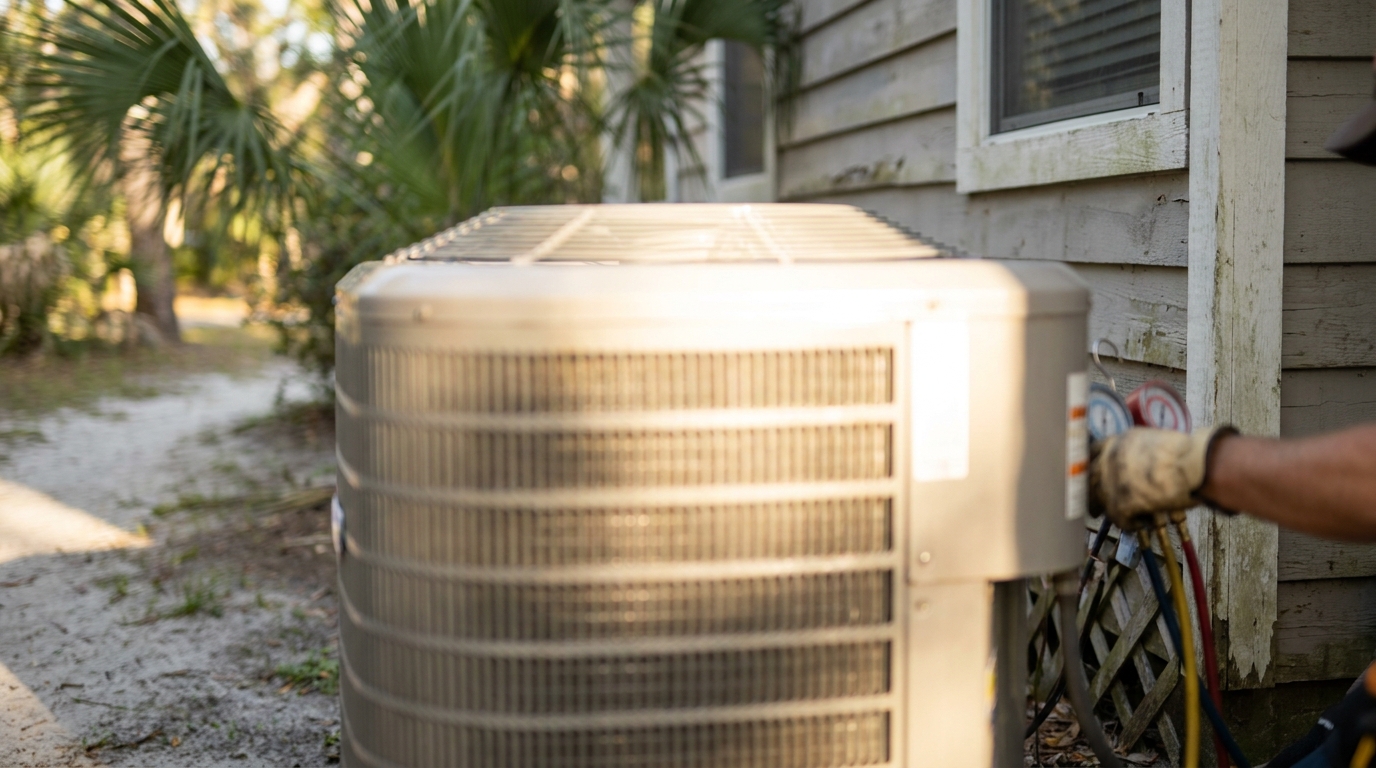
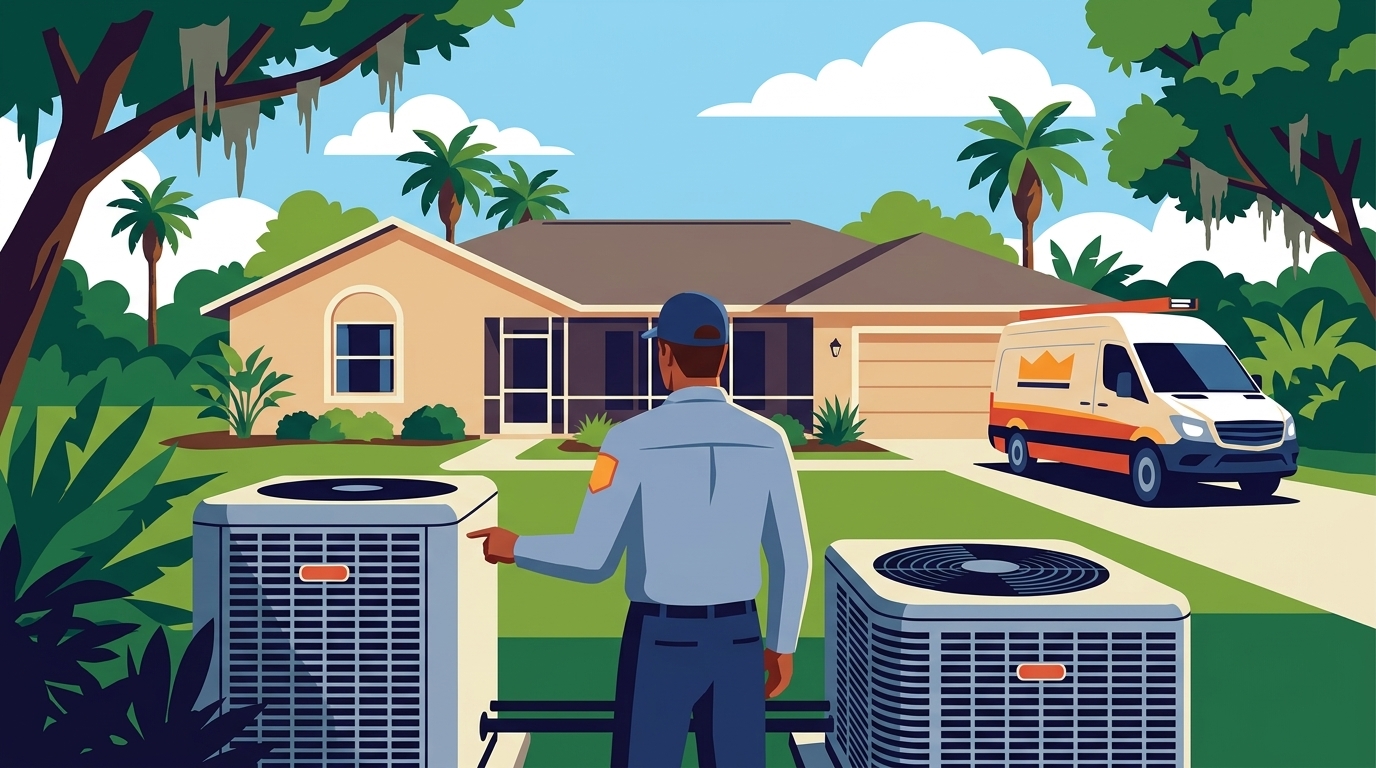
If you live in Beach Haven and your air handler is wheezing through another humid Jacksonville summer, you already know the stakes of choosing the right HVAC contractor. Cooling systems in this part of Florida run for the better part of the year, and a bad install or a sloppy repair shows up fast — in higher power bills, in damp indoor air, in a compressor that gives out years before it should.
This guide walks through how to compare HVAC contractors serving Beach Haven and the wider Jacksonville, FL market, what local conditions and regulations actually require, and where homeowners tend to get tripped up. The goal isn't to push you toward any single name — it's to give you a framework you can apply when you start collecting quotes.
Why Beach Haven Homeowners Need a Sharper Comparison Framework
Beach Haven sits in the dense southside ring of Jacksonville, an area dominated by mid-century and later single-family homes. Much of Jacksonville's older housing stock — Beach Haven included — was not built around the airflow assumptions of modern high-efficiency equipment. That matters when you're comparing quotes, because two contractors can quote wildly different prices on what looks like the same system, and the difference often lives in the ductwork.
Add to that Jacksonville's hot, humid climate and long cooling season, and the cost of choosing wrong compounds quickly. A system that's slightly oversized, poorly sealed, or paired with leaky returns will struggle to manage humidity even if the thermostat reads 74. Reliability, efficiency, and moisture control are not nice-to-haves here — they are the job.
The Six Criteria That Actually Matter When Comparing HVAC Companies in Jacksonville
1. Florida State Licensing
Any contractor you seriously consider must hold a Florida state air-conditioning license — Class A, Class B, or Certified Air Conditioning Contractor (CAC) — issued by the Florida Department of Business and Professional Regulation (DBPR). This is non-negotiable. Ask for the license number and verify it. A handyman price from an unlicensed installer is not a bargain; it's a code violation waiting to surface when you sell the home.
2. Insurance Coverage
Licensed Florida contractors are expected to carry general liability and workers' compensation insurance consistent with state and local requirements. Ask for a certificate of insurance before work begins, especially for a full system replacement where crews will be on your roof and in your attic.
3. Permits and Code Compliance
Central AC and heat pump replacements in Jacksonville typically require a mechanical permit, with inspections covering equipment sizing, duct sealing, condensate disposal, hurricane tie-downs for the outdoor unit, and electrical connections under the Florida Building Code (Mechanical, Energy Conservation, and Residential volumes). New systems must also meet federal minimum efficiency standards — SEER2, EER2, and HSPF2 — as incorporated into the Florida Building Code.
If a contractor offers to skip the permit to save you money, that's a disqualifying answer. The hurricane tie-down inspection alone is worth the permit — Beach Haven is well within the zone where wind events can turn an unsecured condenser into a projectile.
4. Technical Credentials and Crew Stability
NATE-certified technicians and membership in regional trade groups like the North Florida Air Conditioning Contractor Association (NFACCA) signal engagement with ongoing training and local professional standards. NFACCA isn't a licensing body — it's a trade association — but participation tells you a contractor invests in continuing education.
There's a quieter issue behind the credential question: technician turnover. It's a significant operational challenge for Jacksonville HVAC firms, with industry benchmarking suggesting total replacement cost for a skilled tech can reach 50 to 200 percent of annual salary. Service managers frequently underestimate the true cost by 40 to 60 percent. Why should you care as a homeowner? Because the contractor with stable, well-trained crews is the one who can actually show up when your system fails on a Saturday in August.
5. Transparent Pricing and Itemized Quotes
Jacksonville's HVAC market is competitive enough that buyers typically compare multiple quotes — and they should. Verbal estimates and lump-sum numbers make comparison impossible. Insist on itemized written quotes that break out equipment, labor, duct modifications, permits, and any electrical work.
For reference, here's the range you can expect in the current Jacksonville market:
- Diagnostic or service call fee: $80 to $150+
- After-hours emergency service call (before repairs): $150 to $250+
- Minor repairs such as capacitors, contactors, or drain-line cleaning: $150 to $400+
- Major repairs like compressor, coil, or blower motor replacement: $800 to $2,500+
- Standard-efficiency split AC or heat pump replacement, 2 to 3.5 tons installed: $5,000 to $8,000+
- Higher-efficiency or inverter heat pump replacement installed: $8,000 to $12,000+
- Ductwork modifications, new returns, or zoning additions: $1,000 to $5,000+
If a quote falls dramatically below these ranges, look hard at what's being left out — usually it's the duct work, the permit, or a key warranty.
6. Refrigerant Transition Readiness
This is the criterion most homeowners overlook in 2026. Federal and state HFC phase-down policy is pushing the industry away from high-GWP refrigerants like R410A toward lower-GWP alternatives such as R32. Broader market availability of R32 systems is expected around mid-2026 and beyond.
That puts Beach Haven homeowners in a real decision window. Ask any contractor you're comparing how they're handling the transition — what they install today, what parts and refrigerant they expect to service over the next decade, and whether they're training techs on R32 systems. A contractor who shrugs at this question is not the one you want stewarding a $10,000 install.
National Chains vs. Local Jacksonville Contractors
You'll typically have a choice between larger regional brands with heavy marketing budgets and family-owned local firms that have been working Jacksonville neighborhoods for decades. Both can do good work. The local-firm advantage tends to show up in three places: familiarity with older housing stock and duct quirks, faster response times for emergency calls, and continuity of relationship — the same company that installed your system is the one servicing it five years later.
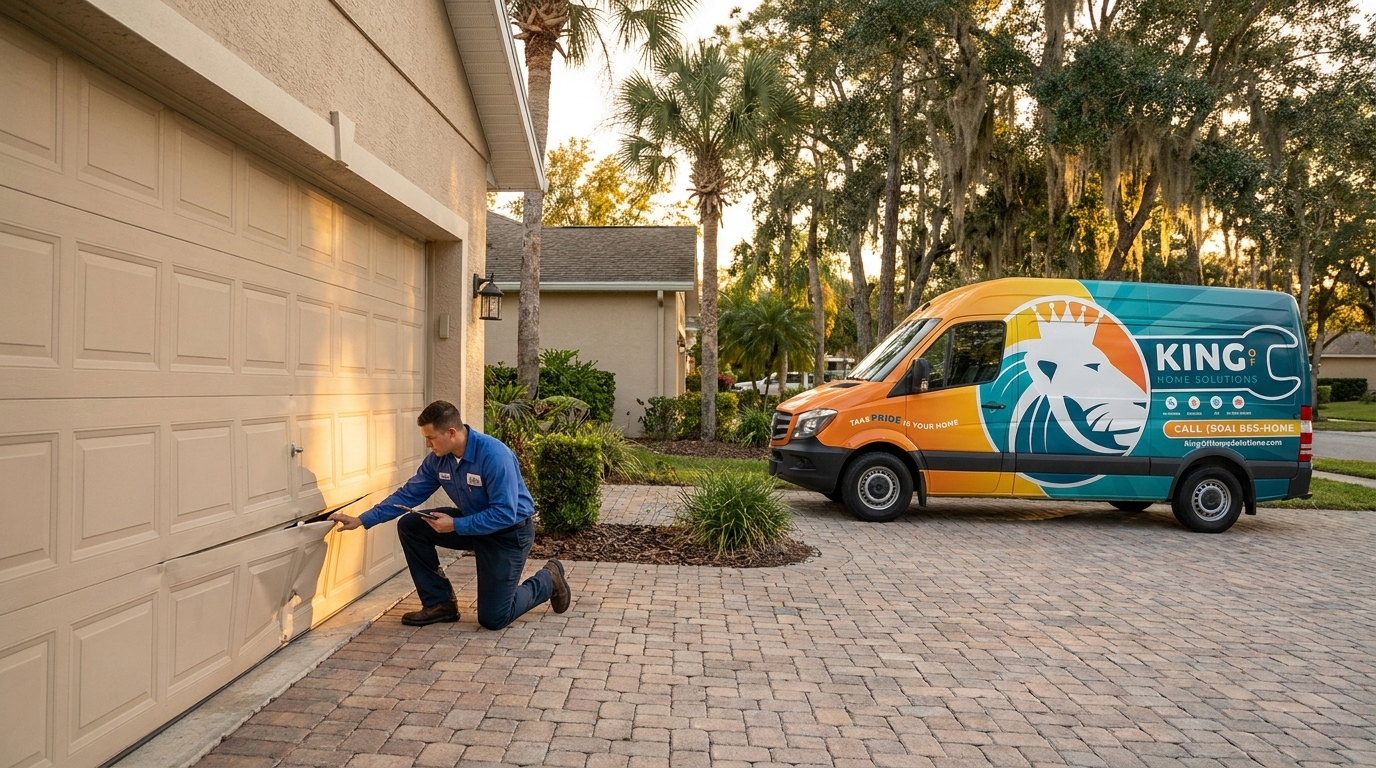
At King of Home Solutions, we lean into that local model: licensed Florida work, permitted installs, itemized quotes, and a comparison-friendly process that doesn't punish you for getting other bids. Reputable providers in Jacksonville should welcome the scrutiny.
What's Different About Beach Haven Specifically
A few neighborhood-specific factors are worth flagging as you compare quotes:
- Older housing stock: Many Beach Haven homes have undergone additions or remodels that left the ducting undersized for current loads. A good contractor will measure, not assume.
- Hurricane and storm exposure: Outdoor unit tie-downs aren't optional. Confirm they'll be installed and inspected.
- Long cooling season: Humidity control should be part of the conversation. Ask how the proposed system handles latent load, not just temperature.
- Permit timing: Build permit and inspection lead times into your project schedule, especially if you're replacing a system before the peak summer months.
Frequently Asked Questions
Do I really need a permit to replace my AC in Jacksonville?
Yes. Central AC and heat pump replacements in Jacksonville typically require a mechanical permit, with inspections under the Florida Building Code. A licensed contractor pulls the permit as part of the job.
What's the most common pricing mistake homeowners make?
Comparing system prices without comparing scope. One contractor may include duct modifications, a new return, and a surge protector; another may quote only the equipment swap. Itemized quotes are how you actually compare.
Should I wait for R32 systems before replacing?
It depends. If your current system is failing in the middle of a Jacksonville summer, waiting isn't realistic. If you're planning, ask each contractor what they recommend given the mid-2026-and-beyond rollout of R32 equipment and how they'll support whichever refrigerant you end up with.
How many quotes should I get?
Three is the standard answer, and it's the right one. Jacksonville's contractor density makes this easy, and the variation between bids will teach you more about your project than any single quote will.
The Bottom Line for Beach Haven
Comparing HVAC contractors in Jacksonville isn't about finding the cheapest number — it's about finding the licensed, insured, permit-pulling contractor whose itemized quote actually matches the scope of work your Beach Haven home needs. Get three quotes, verify licensing through DBPR, ask about the R410A-to-R32 transition, and read the line items.
Homeowners in Beach Haven and the wider Jacksonville, FL area who want this handled professionally can reach King of Home Solutions at https://kingofhomesolutions.com for a free estimate and an itemized quote you can put side by side with anyone else's.