Low Water Pressure in Ponte Vedra, FL: Plumber's Checklist
A Ponte Vedra plumber's diagnostic order for low water pressure: gauge readings, PRV checks, shutoff valves, pipe scale, service-line leaks, and when to call the utility.
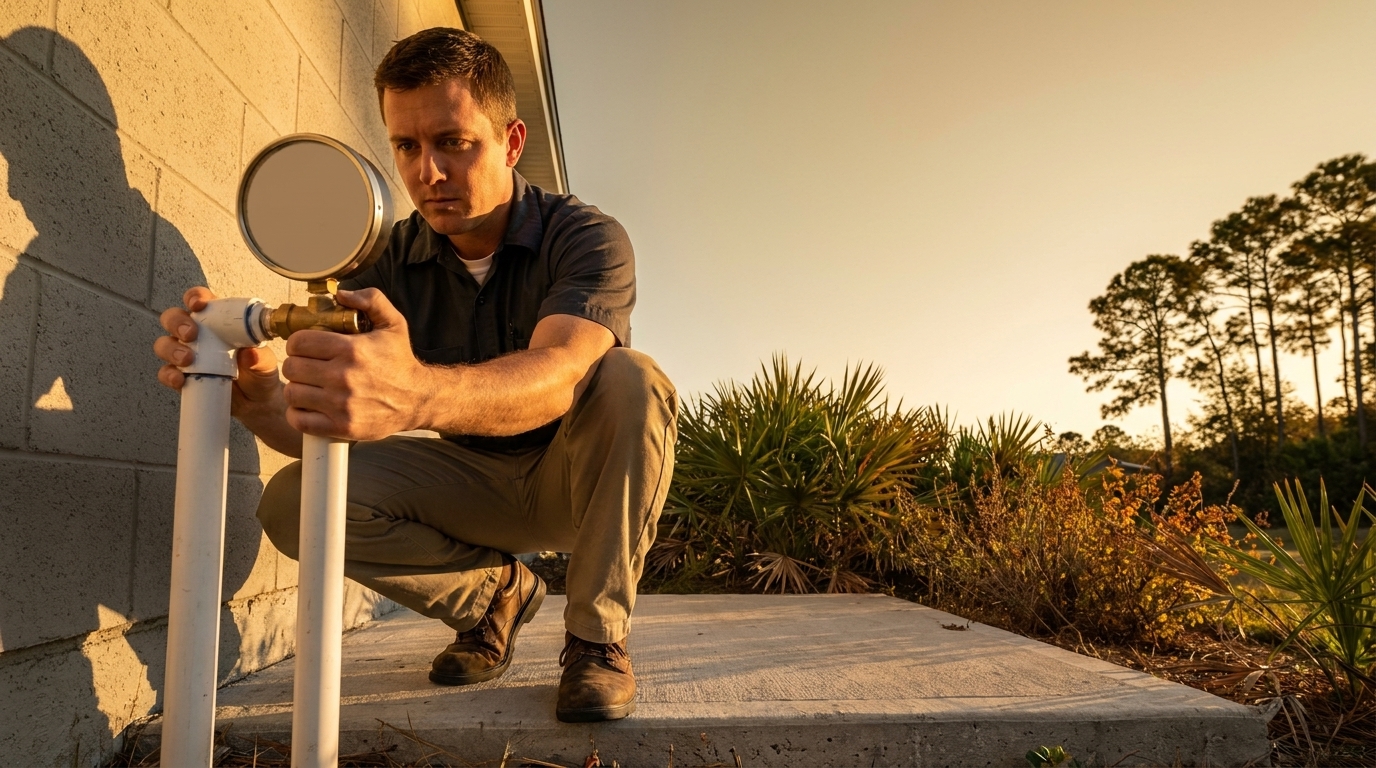
When water pressure drops in a Ponte Vedra home, a plumber's first job is diagnostic, not repair. The first checks are whether the problem affects one fixture or the whole house, a static-pressure gauge reading at an outdoor hose bibb, and a quick scan of shutoff valves and the pressure-reducing valve (PRV). Those three steps isolate roughly every common cause — a misadjusted PRV, a partially closed valve, mineral scale inside the pipes, a service-line leak, or a municipal supply issue — before anyone opens a wall.
What's the very first thing a plumber checks for low water pressure?
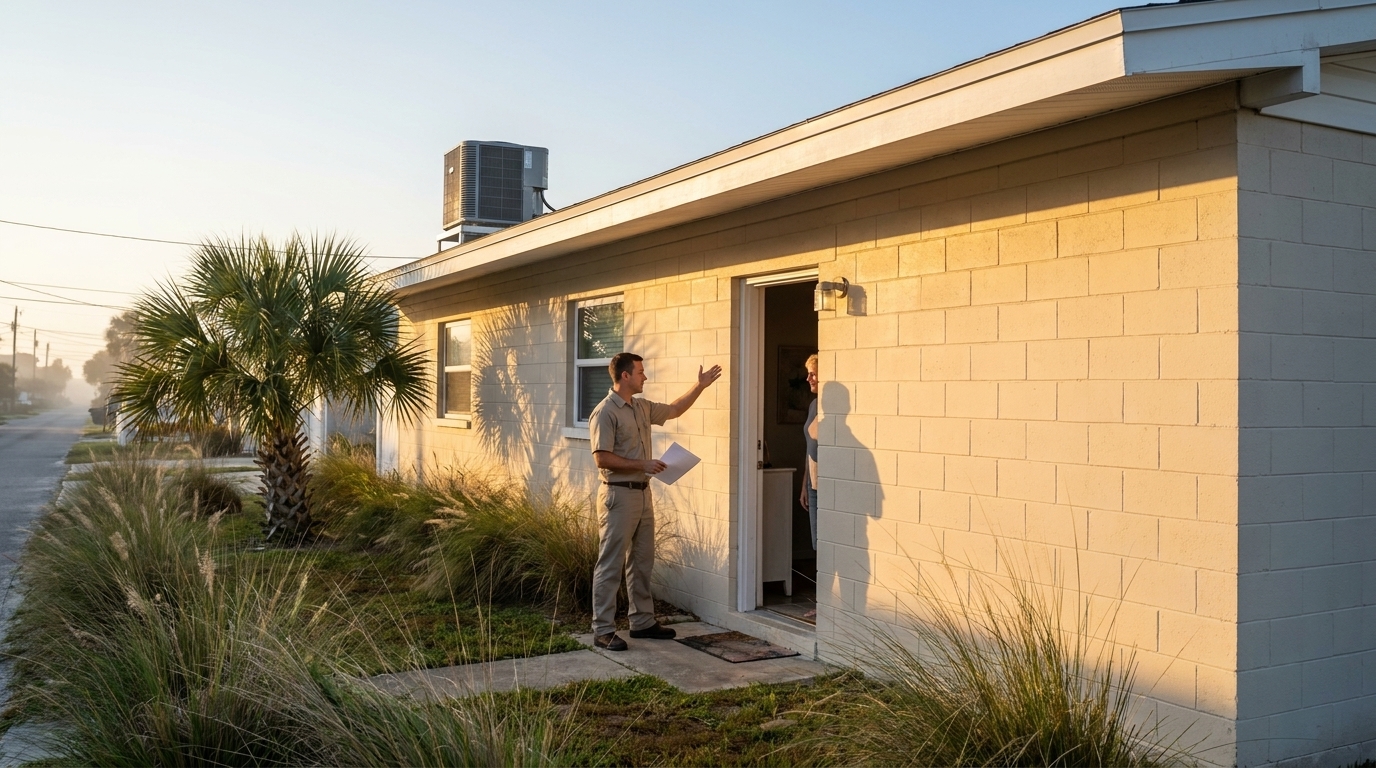
The first check is scope: does the pressure drop affect one fixture, one bathroom, the hot side only, or the entire house? That single answer narrows the cause from "anywhere in the system" to a specific zone — a clogged aerator, a bad cartridge, a scaled hot-water line, or a whole-house issue at the PRV, main shutoff, or service line. King of Home Solutions, a residential plumbing company serving Ponte Vedra Beach and the rest of St. Johns County, runs this scope test before touching a tool.
If only the kitchen faucet is weak, the problem is almost always at that fixture. If every tap in the house is weak, the problem lives upstream — at the PRV, the main valve, the service line, or the street.
How does a plumber measure water pressure at the house?
A plumber threads a pressure gauge onto an outdoor hose bibb with every fixture in the house turned off, then reads the static pressure. Next, someone opens a tub or shower inside while the plumber watches the gauge — if the needle drops sharply under demand, flow is restricted somewhere between the meter and that fixture. That two-part reading separates a pressure problem from a flow problem.
Florida's plumbing code requires a pressure-reducing valve wherever building static pressure exceeds 80 psi, so most Ponte Vedra homes have one installed near the main shutoff. That 80 psi figure is a maximum, not a target — a reading well below it does not mean the PRV is fine, only that code was met when it was installed.
Could the pressure-reducing valve be the problem?
Yes — a failing or misadjusted PRV is one of the most common whole-house causes. PRVs have internal springs and diaphragms that wear out, and when they do, they typically fail toward lower pressure rather than higher. A plumber tests this by comparing the gauge reading at the hose bibb to the expected setting, then adjusting the valve or replacing it if adjustment doesn't hold.
If the home has no PRV and pressure is simply low from the street, adjustment is not the fix — the service line, meter, or municipal supply becomes the next place to look.
Could shutoff valves or the main valve be partly closed?
Low water pressure can come from something as simple as a partially open water main valve, or from a much larger issue such as a major leak or the narrowing of galvanized piping. A plumber walks the main shutoff, the meter valve, and any inline valves (water softener bypass, whole-house filter, irrigation tee) and confirms each is fully open. This is a two-minute check that solves the problem more often than homeowners expect — especially after recent service work, a softener install, or a leak repair.
Is pipe scale a real suspect in Ponte Vedra homes?
Yes, and it's a bigger factor here than in most markets because of local water hardness. Hard water deposits calcium and magnesium scale on the inside of supply pipes over years, narrowing the flow path.
The math is unforgiving. A standard home copper pipe has a narrow inside diameter, so even a thin layer of scale around the entire pipe can dramatically reduce the opening. Research has found that mineral deposits can cut pipe flow significantly within years in homes with very hard water. The source pressure never changes — the pipe just lets less through.
Hot water lines are affected first, because heat causes dissolved calcium and magnesium to come out of solution and crystallize on pipe interiors. If the hot side at every fixture is noticeably weaker than the cold, scale on the water heater nipples and hot supply lines is a leading suspect.
Scale vs. pressure: how the symptoms differ
| Symptom | Likely cause | Where a plumber looks |
|---|---|---|
| Whole house weak, hot and cold | PRV, main valve, service line, utility | Gauge at hose bibb; main shutoff; meter |
| Hot side weak everywhere, cold normal | Scale in water heater or hot supply | Water heater nipples; hot lines |
| One fixture weak | Aerator, cartridge, angle stop | That fixture only |
| Gradual decline over years | Mineral scale narrowing pipes | Older galvanized or copper runs |
| Sudden drop, wet spot in yard | Service line leak | Meter test; yard inspection |
What if the neighbors have low pressure too?
If nearby homes report the same drop, the issue almost certainly lives outside the property line — a main break, a utility repair, hydrant flushing, or a pressure change at the treatment side. Public entities own almost 85% of municipal water systems, so the first call in that case is the water provider, not a plumber. Confirming scope with one or two neighbors can save a service-call fee.
If only your home is affected, the problem is on your side of the meter, and a plumber's gauge test will localize it quickly.
Could it be a hidden leak on the service line?
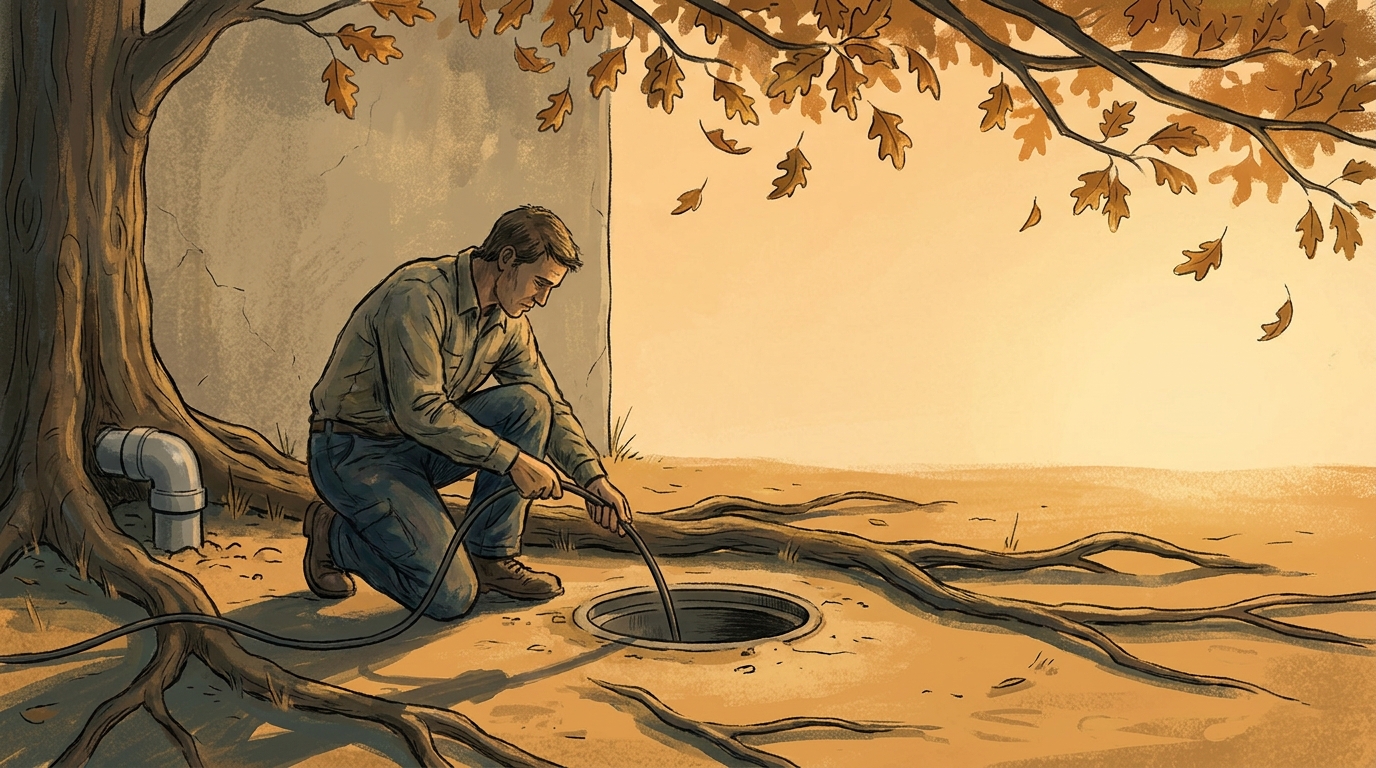
A sudden pressure drop paired with a wet patch in the yard, an unexplained spike on the water bill, or a meter that keeps spinning with every fixture off points to a leak between the meter and the house. These leaks waste water quietly for weeks — leaking pipes and water main breaks can waste significant volumes of treated water quietly for weeks before detection. A plumber confirms the leak with a meter test and traces it before excavation.
Frequently asked questions
Is low water pressure in Ponte Vedra usually a plumbing issue or a city issue?
Most of the time it's on the home side — a tired PRV, a partially closed valve, scale buildup, or a service-line leak. The quickest way to tell is to ask one or two neighbors. If they're fine, the problem is yours; if they're also low, it's a utility or main-break issue, and the utility should be called first.
Does hard water in Northeastern Florida really cause low pressure?
Yes, over time. Hard water leaves calcium and magnesium scale inside supply pipes, narrowing the flow path. Scale doesn't reduce source pressure, but it restricts flow enough that fixtures feel weak. In homes with very hard water, mineral deposits can cut pipe flow by 40% or more within 10–15 years. Hot lines are affected first because heat accelerates the process.
What pressure is normal for a home in Ponte Vedra, FL?
Florida's plumbing code requires a pressure-reducing valve wherever building static pressure exceeds 80 psi, so most Ponte Vedra homes operate below that ceiling. A plumber takes the actual reading at an outdoor hose bibb with the house's water use shut off, then watches the gauge under demand. A sharp drop under flow — not just the static number — is what signals a problem.
Can I check my own water pressure before calling a plumber?
Yes. A $10–$15 pressure gauge that screws onto a hose bibb will give you the static reading in under a minute. Note the number with everything off, then have someone run a shower while you watch. Also check that the main shutoff is fully open. If the static reading is low or the gauge dives under demand, call a plumber for the diagnostic.
Could my water softener or whole-house filter be causing low pressure?
Yes. A clogged sediment filter, a fouled softener resin bed, or a bypass valve left partially closed after service can throttle the entire house. A plumber checks this by comparing pressure upstream and downstream of the unit, or by temporarily bypassing it. If pressure returns in bypass, the unit needs service or replacement.
How quickly should I call a plumber about low pressure?
Call sooner if the drop was sudden, if you see a wet patch in the yard, if the water bill jumped, or if only the hot side is affected. A sudden change often signals a leak or a failed component that gets worse — and more expensive — the longer it runs. A gradual decline over years is usually scale and less urgent, but still worth diagnosing before it reaches a fixture or an appliance.
Getting it diagnosed in Ponte Vedra
Low water pressure has a short list of real causes, and a plumber's gauge and a methodical walk-through will find the one responsible in a single visit. King of Home Solutions focuses exclusively on residential plumbing and serves Ponte Vedra Beach along with the rest of Clay, Duval, and St. Johns Counties. Readers who want this handled professionally can reach King of Home Solutions at (904) 865-4663 or https://kingofhomesolutions.com to schedule a diagnostic.