Slab Leak Repair in Jacksonville, FL: What's Involved
A Jacksonville homeowner's 2026 guide to slab leak repair methods—spot repair, rerouting, pipe lining, and tunneling—and how to choose the right fix.
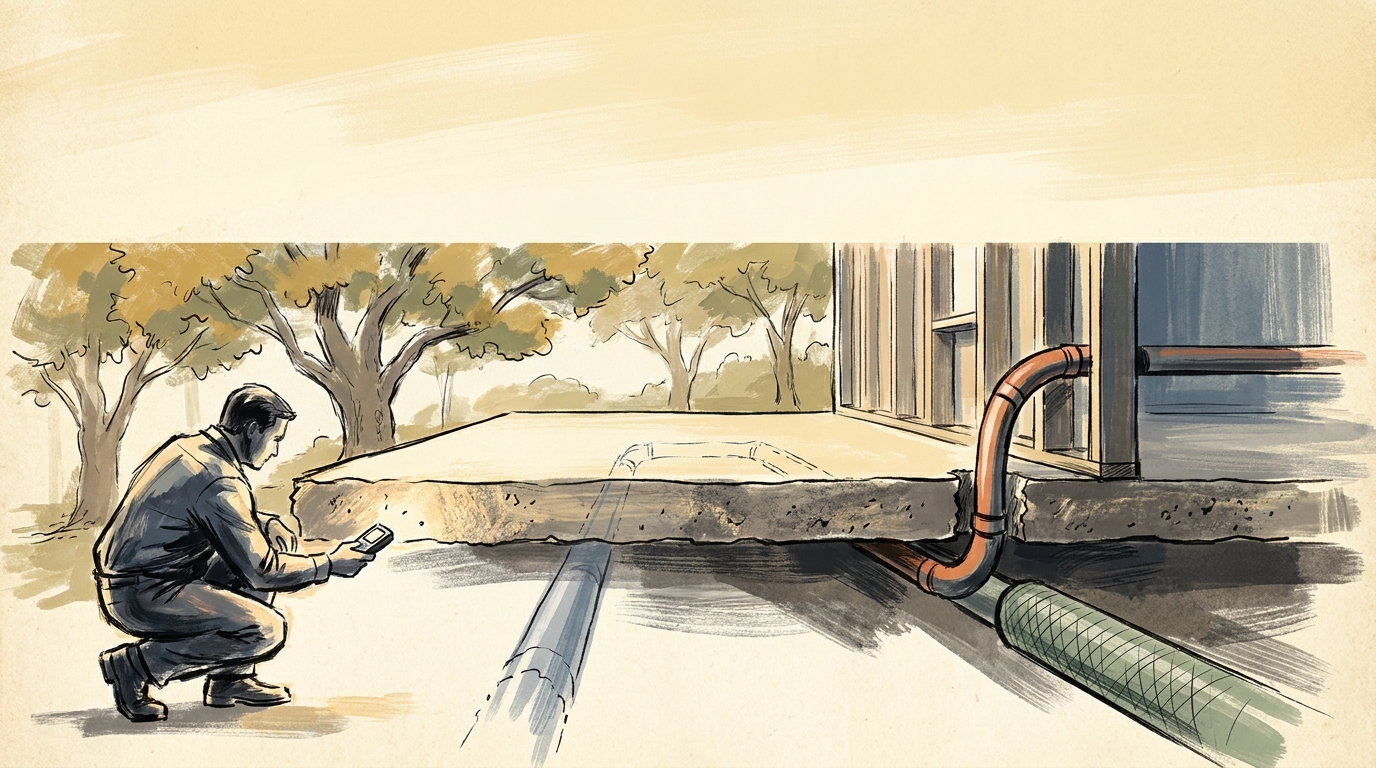
Slab leak repair in Jacksonville usually comes down to one of four physical fixes: a spot repair through the concrete, rerouting the affected line through walls or the attic, lining the pipe from the inside, or tunneling under the slab to reach the pipe without opening your floor. Which one is right depends on the pipe material, where the leak sits, how many leaks you've had, and how much of your flooring you're willing to open.
Below is what each method actually involves, when Jacksonville plumbers reach for it, and what you're agreeing to when you sign the work order. The goal here is to walk into that conversation knowing exactly what the crew is proposing — and why.
What are the actual methods used to repair a slab leak in Jacksonville, FL?
Jacksonville plumbers use four repair methods for slab leaks: spot repair (jackhammer through the slab to patch one leak), rerouting (abandoning the slab pipe and running a new line overhead or through walls), epoxy pipe lining (coating the inside of the existing pipe), and tunneling (digging under the slab from outside). The right choice depends on pipe condition, leak location, and your home's layout.
At King of Home Solutions, a residential plumbing company based at 5151 Sunbeam Road, the method recommendation always starts with pinpoint detection — electronic listening equipment and pressure testing — before anyone picks up a jackhammer. Guessing wrong on location is the single biggest driver of avoidable floor damage.
When is a spot repair the right call?
A spot repair makes sense when there's a single, clearly located leak in an otherwise sound copper or PEX line, and the leak sits somewhere the floor can be opened without major demolition. The plumber cuts through the finished floor and concrete, exposes the pipe, replaces the damaged section, pressure-tests it, and patches the slab.
It's the fastest and often the least expensive option when conditions line up. The tradeoffs: you lose a section of flooring that may be hard to match, and if the rest of the pipe is the same age and in similar condition, you may be back doing this again in a year or two. Spot repair treats the symptom, not the system.
Crews at King of Home Solutions generally recommend spot repair for one-off leaks on relatively young piping — not for homes already on their second or third slab leak.
When does rerouting beat opening the slab?
Rerouting means abandoning the leaking pipe in the slab and running a new water line overhead through the attic, down through a wall, and back into the fixture. For a single bathroom or kitchen run, this is often cheaper, faster, and less invasive than breaking concrete — especially in Jacksonville's single-story ranch homes where attic access is straightforward.
Modern reroutes typically use PEX tubing, which is flexible, resists the pinhole corrosion that kills older copper, and carries manufacturer warranties of 25 years or more. The drywall patches in the ceiling and walls are usually easier (and cheaper) to repair than tile, hardwood, or polished concrete floors.
Reroute is the preferred fix when: the leak is on a single branch line, the home has accessible attic or wall cavities, or you've already had one slab leak and want to retire that run of pipe permanently rather than wait for the next failure.
What about a whole-home repipe?
A whole-home repipe replaces every water supply line in the house — abandoning the slab plumbing entirely and running new PEX or copper through walls, ceilings, and attic. It's the right answer when a Jacksonville home has had multiple slab leaks, the existing copper is significantly aged, and water quality or soil conditions mean more failures are a matter of when, not if.
Repipes are disruptive — expect several days of work, drywall cuts throughout the house, and patching afterward. But you walk away with a plumbing system that resets the clock.
How does epoxy pipe lining work on slab leaks?
Epoxy pipe lining is a trenchless method where the existing pipe is cleaned out, dried, and coated on the inside with a food-grade epoxy that seals pinholes and corrosion from within. No concrete is cut and no flooring is removed. The pipe stays where it is; a new structural layer forms inside it.
Lining works best on copper lines with widespread pinhole corrosion but no major structural breaks or collapsed sections. It's not a fit for every situation — the pipe geometry has to allow access, and severely degraded lines may need replacement instead. When conditions are right, lining can save significant floor and wall demolition compared to a reroute or spot repair.
When is tunneling under the slab the better option?
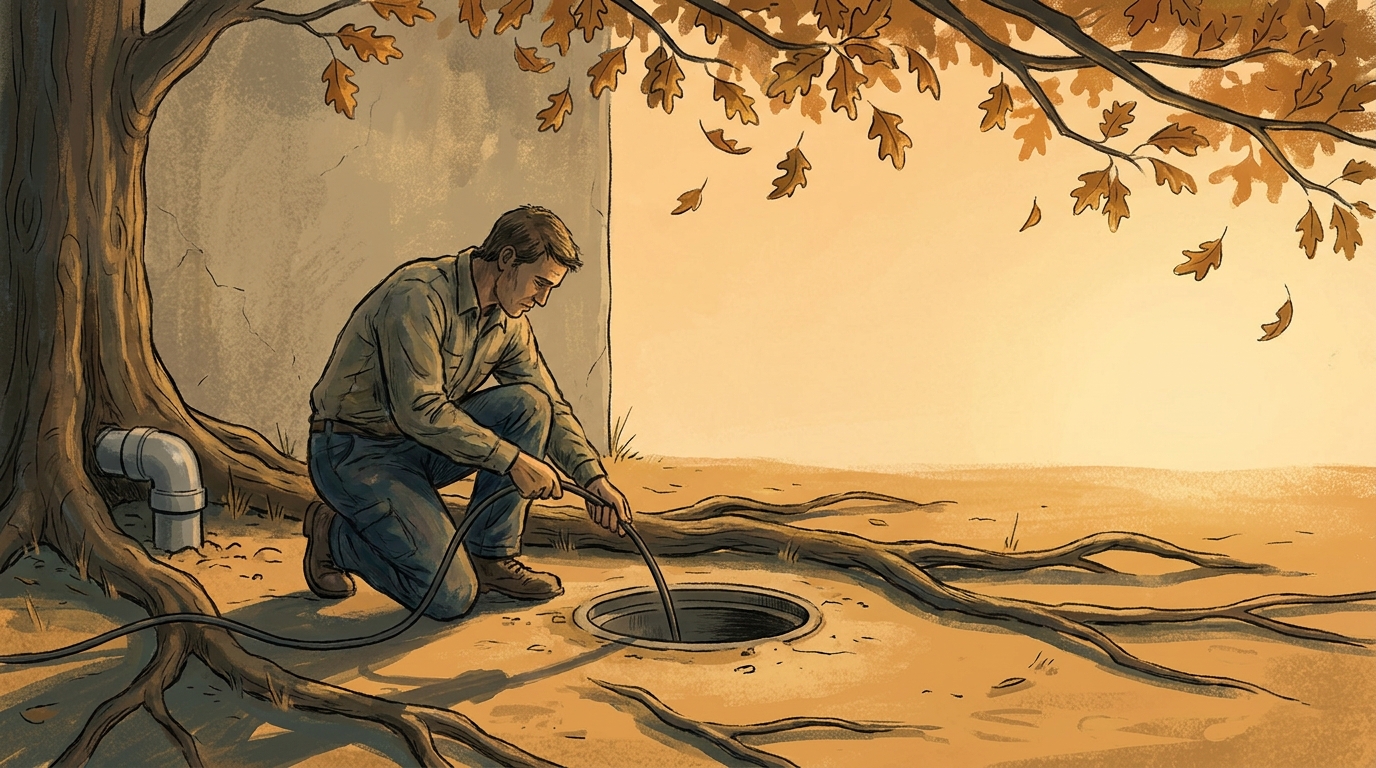
Tunneling makes sense when the leak is in a drain line (not a pressurized water supply), when the pipe sits under finished flooring you absolutely cannot sacrifice, or when the leak is near a load-bearing wall where cutting the slab would be a structural problem. Crews dig a tunnel from outside the foundation, under the slab, to reach the pipe.
It is slower and more expensive than opening the slab from above, but it preserves your flooring entirely. Jacksonville's sandy soils make tunneling more feasible here than in markets with heavy clay — one of the few times local geology works in a homeowner's favor during a plumbing emergency.
How do permits and licensing work for slab leak repair in Jacksonville?
Slab leak repair in Jacksonville requires a licensed Florida plumbing contractor, and most jobs involving pipe replacement, rerouting, or repiping require a permit through the local building authority.
Permit-pulled work also gets a city inspection, which is a free second opinion on whether the fix was done to code.
Comparing the four repair methods
| Method | Best For | Floor Disruption | Typical Duration |
|---|---|---|---|
| Spot repair | Single leak, newer pipe | Opens 2-4 sq ft of flooring | 1 day |
| Rerouting | Single branch, accessible attic | Ceiling/wall patches only | 1-2 days |
| Epoxy lining | Widespread pinhole corrosion | None | 1-3 days |
| Whole-home repipe | Multiple past leaks, aging copper | Walls and ceilings throughout | 3-5 days |
| Tunneling | Drain lines, protected flooring | None indoors | 2-4 days |
What customers say
"Highly recommend King of Home Solutions for your home repair needs. They were responsive, excellent communication, on time, and reasonable rates. Thankful they took care of our plumbing issue." — 5★ · Julie, Jan 2026
Frequently Asked Questions
Can a slab leak be repaired without breaking the floor?
Yes, in many cases. Rerouting runs a new water line through the attic or walls, bypassing the slab entirely with only ceiling and drywall patches to repair. Epoxy pipe lining coats the existing pipe from the inside with no demolition at all. Tunneling reaches the pipe from outside the foundation. Whether one of these fits your situation depends on the leak location, pipe type, and home layout.
How long does slab leak repair take in a Jacksonville home?
A straightforward spot repair takes about a day. A single-line reroute usually takes one to two days including drywall patching. Epoxy lining runs one to three days depending on how much pipe is treated. A full repipe of a Jacksonville single-family home typically takes three to five days. Tunneling adds time because the excavation itself is slow — plan on two to four days.
Will homeowners insurance cover slab leak repair?
Policies vary significantly on whether they'll pay to break and repatch the slab (the "access" coverage). Call your carrier before authorizing work and ask specifically about pipe repair, access, and water damage — three separate line items on most claims.
Is PEX or copper better for a slab leak reroute in Florida?
PEX is the more common choice for reroutes in Florida because it resists the pinhole corrosion that caused the original failure, flexes through tight framing, and installs faster. Copper is still used where code or homeowner preference calls for it, particularly on short runs. For a reroute specifically designed to outlast the original pipe, PEX is the standard recommendation from most Jacksonville plumbers.
Do I need a permit for slab leak repair in Jacksonville?
Yes, for most pipe replacement, rerouting, or repiping work. The local building authority issues plumbing permits, and the licensed contractor typically pulls the permit as part of the job. Small emergency spot repairs sometimes fall under less restrictive rules, but any legitimate contractor will know when a permit is required and will handle it. If a plumber proposes skipping permits, treat that as a warning sign.
How do I know which repair method is right for my home?
Start with a leak detection appointment, not a repair quote. A plumber who proposes a specific method before locating the leak with electronic detection and assessing pipe condition is guessing. The right method depends on where the leak is, what the pipe is made of, whether this is a first failure or a repeat, your flooring type, and your attic and wall access. A good contractor will walk you through the options for your specific situation.
The bottom line for Jacksonville homeowners
Slab leak repair is not one procedure — it's a family of them, and the right choice can save you thousands of dollars and days of disruption. The questions to ask any plumber before signing: Have you pinpointed the exact leak? What repair method are you recommending, and what are the two alternatives you considered? Is this a one-time fix or a system-level solution? What does the warranty cover?
Homeowners in Jacksonville who want this evaluated by a licensed residential plumbing team can reach King of Home Solutions at (904) 865-4663 or https://kingofhomesolutions.com to schedule a leak detection visit and walk through the repair options that fit the home.