Slab Leak Repair in Sandalwood, Jacksonville, FL
A stage-by-stage look at what really happens during a slab leak repair in Sandalwood — timing, methods, and what to expect inside your home.
A slab leak repair in Sandalwood typically takes one to three days from arrival to cleanup, and involves electronic leak location, opening a small access point in the slab or wall, replacing or rerouting the damaged copper line, and patching the concrete. Most single-point pinhole leaks in a Sandalwood ranch home are repaired in a single day; whole-line reroutes take longer.
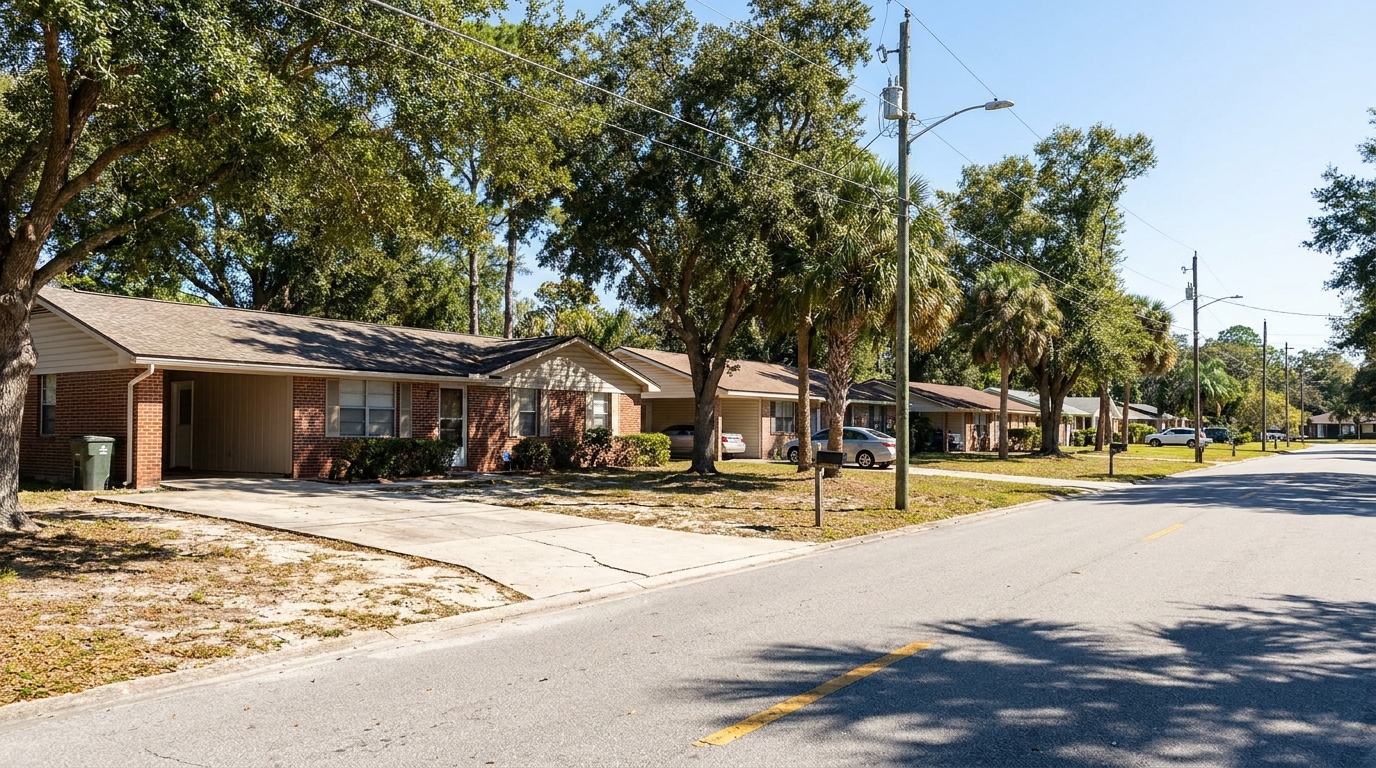
If you've just been told there's a leak under your concrete floor, the next question is almost always the same: what's actually going to happen in my house? This guide walks you through the repair itself — stage by stage — with the Sandalwood housing stock in mind. Most of the neighborhood was built between the late 1960s and the 1980s, which means original copper supply lines running through post-tension or standard concrete slabs, sitting on Duval County's sandy, sometimes shifting soil. That combination is exactly why slab leaks show up here.
How does a slab leak repair actually begin in a Sandalwood home?
The repair begins with confirmation and pinpoint location. Before any concrete is touched, a licensed plumber isolates the leak using pressure testing on the hot and cold lines, then uses acoustic listening equipment and an electronic line tracer to mark the exact spot on your slab. This diagnostic stage usually takes 60 to 90 minutes.
In Sandalwood, we see two patterns repeat: hot-side pinhole leaks in 40- to 55-year-old copper (accelerated by Jacksonville's chloraminated municipal water) and shifting-slab leaks near additions or converted garages. King of Home Solutions technicians mark the leak location on the floor with tape and photograph it before anything else happens, so you can see exactly where the work will occur.
Signs that led you here
Homeowners usually call after noticing warm spots on tile floors, an unexplained jump in the JEA water bill, the sound of running water when nothing is on, or hairline cracks appearing in interior walls. In older Sandalwood ranches with terrazzo or slab-on-grade tile, a warm spot is the single most common tell.
What are the repair method options, and how is one chosen?
There are three standard repair paths: spot repair (jackhammer through the slab to fix one section), reroute (abandon the failed line and run new PEX through walls or the attic), and full repipe (replace all supply lines throughout the house). The choice depends on the age of the plumbing, the number of leaks found, and whether the slab is post-tension.
| Method | Typical Time | Best For | Slab Impact |
|---|---|---|---|
| Spot Repair | 4-8 hours | Single pinhole, first leak | 2-4 sq ft opened |
| Reroute | 1-2 days | One line, hard-to-reach location | Minimal — small drywall access |
| Whole-House Repipe | 2-4 days | Multiple leaks, aging copper | None to slab; drywall patches |
| Epoxy Pipe Lining | 1-2 days | Preservation cases | None |
For a Sandalwood home over 40 years old showing its second copper leak, most plumbers — including us — will recommend a reroute or partial repipe over another spot repair. Fixing one pinhole in aging copper often just delays the next one by 18 months.
What happens on repair day, hour by hour?
On a typical spot-repair day, water is shut off at the meter around 8 a.m., floor coverings and furniture are moved and protected, and a small section of tile or flooring is cut. The plumber then breaks through 4-6 inches of concrete, exposes the copper line, cuts out the damaged section, and solders in a new fitting. Pressure is restored and tested by early afternoon.
The stage-by-stage timeline
- Hour 0-1: Arrival, walk-through, plastic sheeting laid over furniture and walkways, water shut off at the JEA meter.
- Hour 1-2: Flooring cut back. Tile is scored and removed; carpet is folded aside; laminate planks are lifted.
- Hour 2-3: Concrete cut with a wet saw (to control silica dust) and broken out with a small electric jackhammer. Soil beneath the slab is excavated by hand until the pipe is exposed.
- Hour 3-5: The failed section of copper is cut out. A new coupling — copper or a PEX transition — is installed. Solder joints are wire-brushed, fluxed, and heated.
- Hour 5-6: Pressure test at 100+ PSI for a minimum of 15 minutes to confirm the repair holds.
- Hour 6-8: Trench backfilled with clean sand, concrete patched with high-early-strength mix, area cleaned.
Flooring restoration (tile, grout, or refinishing) usually happens the following day or is scheduled separately, since concrete needs 24-48 hours to cure before finished floor work.
What about permits, inspection, and code in Jacksonville?
Slab leak repairs in Jacksonville require a plumbing permit pulled through the City of Jacksonville Building Inspection Division whenever pipe is replaced or rerouted — not always for a simple in-kind coupling repair, but almost always for reroutes and repipes. Your licensed plumber pulls the permit; the homeowner should not.
Florida requires plumbing contractors to hold a state license issued by the Department of Business and Professional Regulation (DBPR), and Duval County inspectors will verify the license number on the permit. Any plumber who suggests skipping the permit on a reroute is doing you a disservice — an unpermitted repair can complicate your homeowner's insurance claim and your eventual home sale disclosure.
How long is water shut off, and can you stay in the house?
Water is typically off for four to six hours during a spot repair and six to ten hours during a reroute. Most Sandalwood homeowners stay home during the work. Bathrooms are unusable while water is off, so we recommend filling a few pitchers the night before and planning meals that don't need the kitchen sink.
For whole-house repipes lasting two to four days, water is usually restored each evening, though pressure may be lower until final connections are made.
What does the repair cost, and what drives the price?
In the Jacksonville market as of 2026, spot slab leak repairs generally run $1,500-$3,500, reroutes $2,500-$5,000, and whole-house PEX repipes $6,000-$12,000 for a typical 1,800-2,200 sq ft Sandalwood ranch. Prices vary with slab thickness, flooring type over the leak, and how deep the line sits.
Tile and hardwood floors add restoration cost because they can't always be re-laid from salvaged pieces. Homeowner's insurance often covers the access and repair of resulting damage (drywall, flooring) even when the pipe itself isn't covered — worth a call to your carrier before work begins.
Frequently Asked Questions
How do I know I actually have a slab leak?
The clearest signs are a warm spot on the floor, the sound of running water when all fixtures are off, unexplained mildew smell or damp baseboards, and a JEA water bill that jumps without a change in usage. A meter check confirms it: shut off every fixture, watch the meter for 15 minutes, and if the low-flow indicator still spins, water is escaping somewhere between the meter and your fixtures.
How long does a slab leak repair take from start to finish?
A single-point spot repair usually takes one full day (8 hours) including cleanup. A reroute takes one to two days. A whole-house repipe on a typical Sandalwood ranch takes two to four days. Add another day if tile or hardwood restoration is needed after the concrete cures. Diagnosis and quoting are usually completed in a separate one-hour visit before repair day is scheduled.
Can I get same-day slab leak repair in Jacksonville?
Same-day work is often possible for active, flowing leaks where water damage is ongoing — most Jacksonville plumbers, including King of Home Solutions, prioritize emergency slab leaks on the schedule. For non-emergency confirmed leaks, expect 1-3 business days to get on the calendar. Detection and shutoff can almost always be handled same-day even if the full repair is scheduled for later in the week.
Will my homeowner's insurance cover the repair?
Most Florida homeowner's policies cover the resulting damage (torn-up flooring, drywall, water-damaged contents) but not the pipe itself or the cost of accessing it. Some policies include a "tear-out and replace" endorsement that also covers slab access. Call your carrier before work starts, document with photos, and ask your plumber for an itemized invoice separating pipe repair from access and restoration.
Is it better to repair the leak or repipe the whole house?
If your Sandalwood home was built before 1985 and this is your second copper leak, repiping is usually the smarter long-term choice. Aging copper that has failed once tends to fail again elsewhere within a few years. A whole-house PEX repipe eliminates the risk, avoids repeated slab damage, and often costs less than three separate spot repairs over a decade.
Do I need a permit for slab leak repair in Jacksonville?
Yes for reroutes and repipes — the City of Jacksonville Building Inspection Division requires a plumbing permit whenever supply piping is replaced or rerouted, and the work must be performed by a Florida DBPR-licensed plumbing contractor. Simple in-kind coupling repairs on an existing line sometimes fall outside permit requirements, but your licensed plumber will confirm based on the specific scope.
The bottom line for Sandalwood homeowners
A slab leak sounds catastrophic, but the actual repair is a controlled, well-understood process — most Sandalwood jobs are finished in a single day, with the house dry and usable by evening. The important decisions happen before the jackhammer comes out: choosing the right repair method for the age of your plumbing, confirming permits, and understanding what your insurance will and won't cover.
Sandalwood homeowners who want this handled by a licensed local team can reach King of Home Solutions at https://kingofhomesolutions.com to schedule leak detection and repair. The company holds a 4.9-star rating across 55 Google reviews, with customers frequently noting punctual arrival, clear communication, and fair pricing on plumbing work.