Best AC System for Fairways Forest, Jacksonville FL
A local buyer's guide to choosing the right AC for Fairways Forest homes — sizing, humidity control, SEER2, and storm-ready features for Jacksonville's climate.
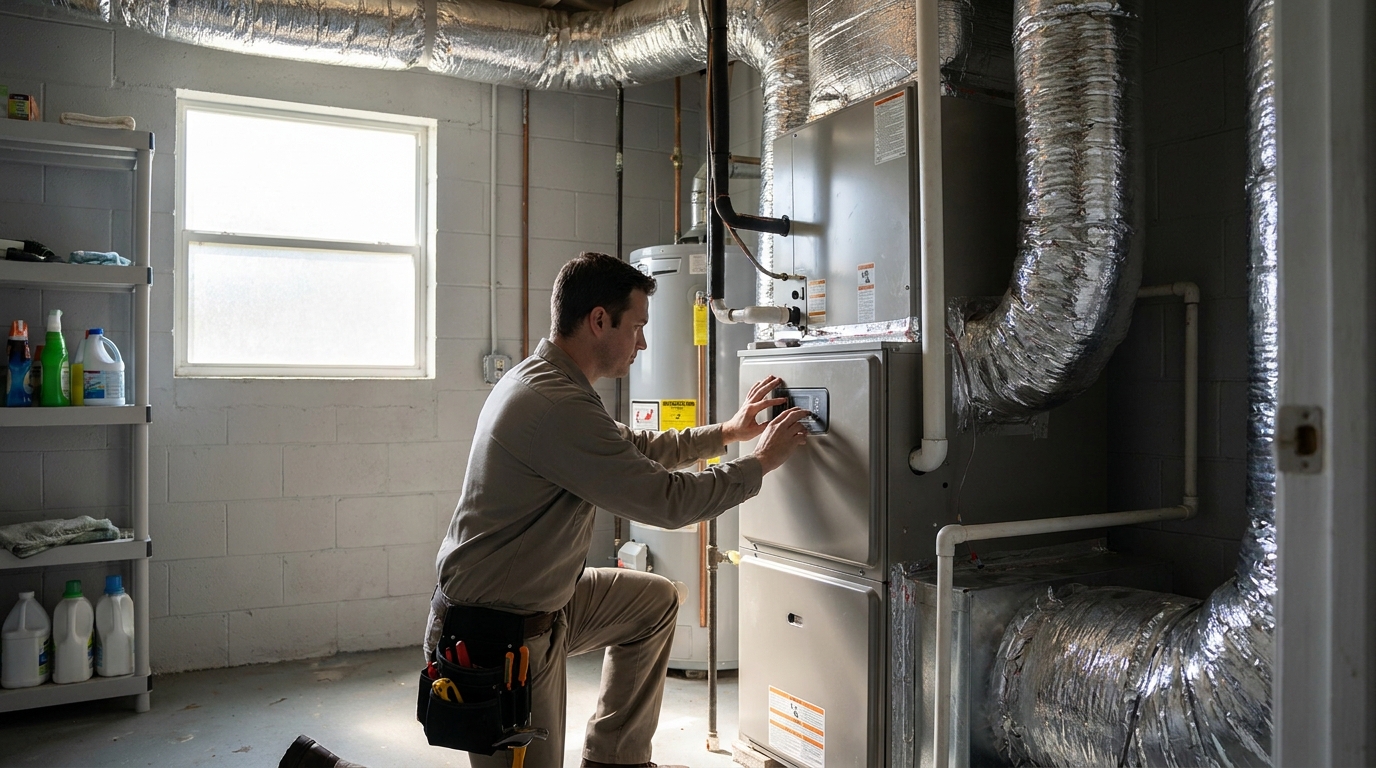
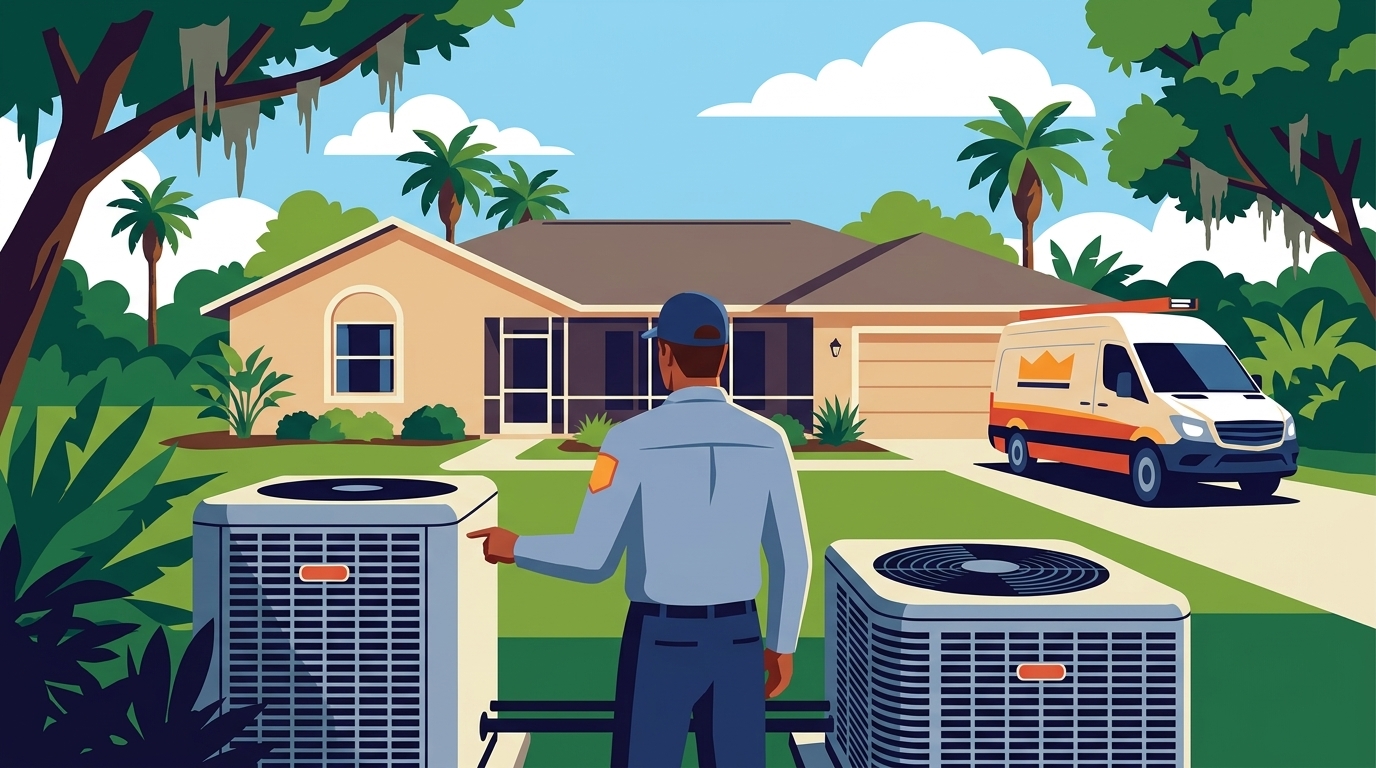
The right AC system for a Fairways Forest home in Jacksonville is a properly sized, variable-speed heat pump with a SEER2 rating of 15.2 or higher and a matched dehumidification strategy — either a two-stage or inverter-driven compressor paired with a variable-speed air handler. In Northeast Florida's climate, latent (moisture) load matters as much as raw cooling capacity, and oversizing is the most common mistake we see in this neighborhood.
Fairways Forest sits in the Southside of Jacksonville, and much of its housing stock dates to the late 1970s through the 1990s — ranch and split-level homes on wooded, shaded lots near the Deerwood corridor. That combination of mature tree canopy, older duct systems, and block-and-frame construction changes what a good AC install looks like compared with newer Jacksonville subdivisions in Nocatee or the Beaches. This guide walks through how to choose a system that actually fits your home.
What size AC do I need for a Fairways Forest home in Jacksonville?
For most Fairways Forest homes, you need roughly one ton of cooling per 600 to 800 square feet — but the only correct answer comes from a Manual J load calculation, not a rule of thumb. A 2,000 sq ft home here typically lands between 2.5 and 3.5 tons, depending on insulation, window orientation, and shade from the neighborhood's oak canopy.
Oversized systems are the single biggest problem we see in older Southside homes. A too-large unit cools the air quickly, shuts off, and never runs long enough to pull humidity out — leaving you with a 74°F house that still feels clammy. Under Florida Building Code, contractors are required to perform a Manual J calculation on new installs; ask to see it before you sign.
What's the best AC system for Jacksonville's humidity?
The best system for Jacksonville humidity is a variable-speed or two-stage heat pump paired with a variable-speed ECM air handler, ideally with an integrated whole-home dehumidifier for shoulder seasons. Variable-speed equipment runs longer at lower capacity, which is how you strip moisture out of the air instead of just chilling it.
Jacksonville sits in ASHRAE climate zone 2A — hot and humid — and outdoor dew points routinely exceed 70°F from May through October. A single-stage system cycles too fast to manage that latent load well. In older Fairways Forest homes with leaky returns and original 1980s ductwork, we often recommend pairing new equipment with duct sealing; otherwise, humid attic air gets pulled into the system and undermines the upgrade. At King of Home Solutions, we walk homeowners through this tradeoff before quoting equipment, because a $12,000 AC installed on a leaky duct system will still feel muggy.
Which HVAC system types work best for Florida homes?
For Florida homes, the three system types worth considering are heat pumps (the default for Jacksonville), straight-cool AC with electric or gas furnace, and ductless mini-splits for additions or garages. Heat pumps win for most Fairways Forest homes because winters are mild — you rarely need more than heat-pump-plus-strip-heat to stay comfortable.
Here's how the main options compare for a typical Jacksonville single-family home:
| System Type | Best For | Typical Installed Cost (2026) | Efficiency Range |
|---|---|---|---|
| Single-stage heat pump | Budget replacements, smaller homes | $7,500 – $10,500 | 14.3 – 15.2 SEER2 |
| Two-stage heat pump | Most Fairways Forest homes | $10,000 – $13,500 | 15.2 – 17 SEER2 |
| Variable-speed inverter heat pump | Humidity-sensitive homes, allergy concerns | $13,000 – $18,000 | 17 – 22 SEER2 |
| Ductless mini-split (per zone) | Additions, garages, Florida rooms | $4,000 – $7,000 | 18 – 30 SEER2 |
The federal minimum SEER2 rating for new AC systems installed in the Southeast is 15.2 SEER2 (14.3 SEER2 for heat pumps), per the U.S. Department of Energy's regional efficiency standards that took effect in 2026. Anything sold and installed in Jacksonville today must meet that floor.
How does Jacksonville's storm and salt exposure affect equipment choice?
Jacksonville's hurricane exposure and coastal salt air mean you should prioritize condenser coil coating, hurricane tie-downs, and an elevated equipment pad — especially if your Fairways Forest lot has any low-lying drainage. Salt-air corrosion is more of an issue for beachside homes, but wind-driven debris and flooding risk apply citywide.
Look for units with factory-applied coil coatings (often marketed as coastal or seacoast packages), stainless hardware, and a composite or elevated pad rated for wind uplift. Florida Building Code requires outdoor condensers to be anchored to resist design wind speeds, which in Duval County generally means 130+ mph rated tie-downs. Plan replacements before hurricane season starts in June — supply chains tighten and installation lead times stretch once storms are in the forecast.
What should I look for in an HVAC contractor for this work?
Look for a Florida state-licensed Class A or Class B air conditioning contractor (license prefix CAC or CMC), current liability and workers' comp insurance, a written Manual J load calculation, and a clear equipment and labor warranty in writing. Ask for the license number and verify it on the Florida DBPR website before signing anything.
Beyond credentials, communication quality is the single best predictor of whether the job goes well. King of Home Solutions holds a 4.9-star rating across 55 Google reviews, and the themes customers mention most — on-time arrival, clear explanations, and fair pricing — are the same qualities the Florida DBPR complaint data suggests are missing when installs go wrong. One recent reviewer described the team as "professional, knowledgeable, and very thorough," which is the baseline you should expect from anyone quoting a $10,000+ system.
Be cautious of storm-chaser crews after named storms, national chains that subcontract the actual install to whoever's available, and general handymen who quote HVAC as a side service. A right-sized, properly commissioned system from a mid-market local specialist will outperform a premium-brand system that was rushed in by a rotating crew.
Frequently asked questions
How long does a new AC system last in Jacksonville?
A properly maintained AC system in Jacksonville typically lasts 12 to 15 years, shorter than the national average of 15 to 20 years because of high runtime hours, humidity, and salt exposure. Systems within a few miles of the coast often fail sooner from coil corrosion. Annual maintenance, coil rinsing, and prompt refrigerant leak repairs are the biggest factors in reaching the upper end of that range.
Is a heat pump enough for winter in Jacksonville?
Yes. Jacksonville averages only a handful of nights below freezing each winter, and modern heat pumps handle temperatures down to about 25°F efficiently. Systems installed here include electric backup (auxiliary) strip heat that kicks in during rare cold snaps like the December freeze events Northeast Florida sees every few years. A dedicated gas furnace is generally unnecessary for a Fairways Forest home.
What SEER2 rating should I choose in Florida?
Aim for 15.2 to 17 SEER2 for most Fairways Forest homes. That range hits the sweet spot between upfront cost and payback, given Florida's long cooling season. Jumping to 18+ SEER2 makes sense if you plan to stay in the home 10+ years or if humidity control is a priority — the variable-speed compressors in higher-tier units are what actually improve comfort, not just the efficiency number.
Do I need a permit to replace my AC in Jacksonville?
Yes. The City of Jacksonville requires a mechanical permit for AC replacement, pulled by the licensed contractor doing the work. The permit ensures the install is inspected against Florida Building Code, including refrigerant line sizing, condensate drainage, and equipment anchoring. If a contractor offers to skip the permit to save money, that's a red flag — it voids manufacturer warranties and can complicate future home sales.
How much does a new AC system cost in Jacksonville in 2026?
A complete AC or heat pump replacement in Jacksonville typically runs $7,500 to $18,000 installed in 2026, depending on system size, efficiency tier, and whether ductwork needs repair. Two-stage heat pumps for a typical 2,000 sq ft Fairways Forest home usually land between $10,000 and $13,500. Costs above that range generally reflect duct replacement, electrical upgrades, or premium inverter equipment.
Should I repair or replace an older AC unit?
Replace if your system is over 12 years old, uses R-22 refrigerant, and needs a repair over $1,500 — the math almost never favors repair in that scenario. Repair if the unit is under 8 years old, uses R-410A or R-454B refrigerant, and the fix is a capacitor, contactor, or minor component. For units between 8 and 12 years old, weigh repair cost against remaining life and efficiency losses year over year.
Choosing well for the long run
The right AC for your Fairways Forest home isn't the biggest, cheapest, or most efficient on paper — it's the one that's correctly sized, matched to your ductwork, and installed by a licensed contractor who takes the time to measure your actual load. Get the Manual J, verify the license, and ask how the installer plans to handle humidity, not just temperature.
Homeowners in Fairways Forest and greater Jacksonville who want this walked through in person can reach King of Home Solutions at https://kingofhomesolutions.com for a load calculation and equipment recommendation tailored to the specific home.