Heater Making Strange Noises in Jacksonville, FL: 2026 Guide
Banging, rattling, squealing, or clicking from your heater? Here's what each sound means for Jacksonville homeowners — and when to shut the system down.
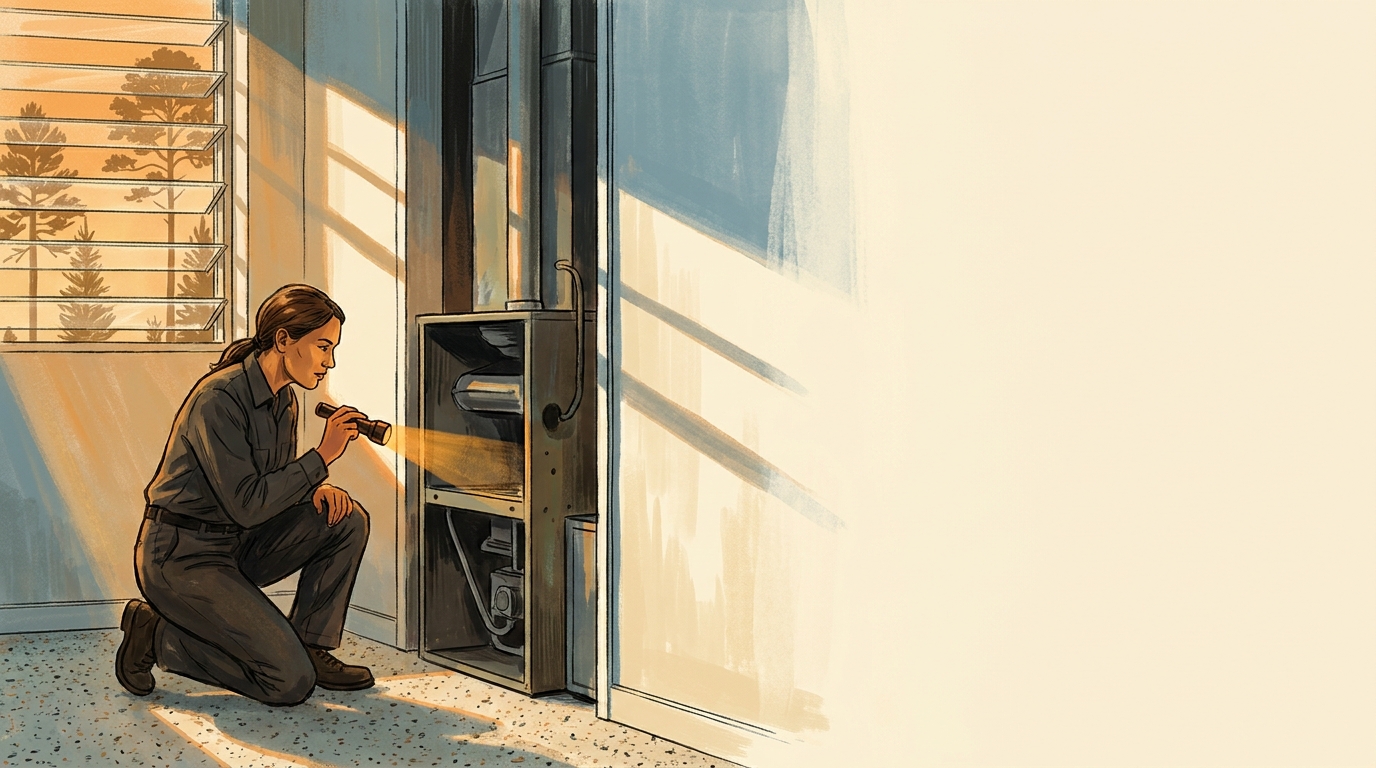
If your heater is making a strange noise in Jacksonville, FL, here's the short answer: a loud bang at startup is the most urgent sound and warrants shutting the system down, while rattles usually point to loose hardware, squeals to the blower, and persistent clicking to an ignition problem. Each sound maps to a different cause and a different level of urgency, and the right next step depends on which one you're hearing.
Jacksonville's climate makes this diagnosis a little different than in colder markets. Our heating systems sit idle through long, humid summers and then kick on hard during the first real cold snap in late November or December — the exact moment dust, corrosion, and small mechanical issues announce themselves. Below is a sound-by-sound guide to what your heater is probably telling you, and when to call a professional like King of Home Solutions here in Jacksonville.
What does a loud bang or boom from my furnace mean?
A loud bang or boom at furnace startup is almost always delayed ignition — gas building up in the combustion chamber because the burners didn't light on time, then igniting all at once. Dirty burners, a weak pilot flame, or low gas pressure are the usual culprits. This is the one noise you should not ignore.
According to Service Champions, a loud bang left unaddressed can eventually crack the heat exchanger, which is both expensive to repair and dangerous because a cracked exchanger can leak combustion gases into your living space. SMO Energy identifies the same chain of events: a weak pilot flame prevents quick ignition, gas accumulates, and the delayed ignition produces that startling boom.
If you hear this, shut the furnace off at the thermostat and call for service before running it again. One bang is a warning; repeated bangs mean the problem is active.
What about a softer, occasional bang after the system shuts off?
A softer, metallic pop or bang that happens as the system cycles off is usually benign. Thin metal ductwork expands when heated and contracts as it cools, which produces popping sounds that have nothing to do with combustion. If the sound only occurs after shutdown and your heat is otherwise working normally, duct expansion is the likely explanation.
Why is my heater rattling or clunking in Jacksonville, FL?
Rattling and clunking almost always mean something mechanical is loose. The most common sources are loose access panels on the furnace cabinet, loose duct connections in the attic, a misaligned blower fan whose blades are brushing the housing, or a cracked fan belt striking surrounding components as it spins. None of these are immediately dangerous, but they get worse quickly if ignored.
In Jacksonville homes, attic-mounted air handlers are extremely common, and the long seasonal gap between heating cycles gives screws, straps, and duct joints plenty of time to work loose. A rattle you only hear when the blower runs usually points to the air handler itself; a rattle that travels through the ducts points to a loose connection somewhere upstream.
What does squealing or screeching from the furnace mean?
Squealing or screeching from a furnace typically means the blower assembly is struggling. A loose or damaged blower belt, dry shaft bearings that need lubrication, or a failing blower motor are the three most common causes. Air leaks around the blower cabinet or in nearby ductwork can also produce a high-pitched sound as air escapes through small gaps under pressure.
The distinction matters because the fix is different for each. A belt or bearing issue is a straightforward service call; a motor on its way out is a larger repair that may push you toward replacing the air handler, especially if the system is older. If the squeal is accompanied by weak airflow at the vents, change the air filter first — a clogged filter forces the blower to work harder and can both cause and worsen bearing wear.
Why is my heater clicking but not turning on?
Persistent clicking in a gas furnace that never results in ignition points to an ignition-system problem — most commonly a cracked or broken ignitor, a dirty flame sensor, or a blocked gas valve. The clicking is the control board trying repeatedly to light the burners and failing. The system is doing exactly what it should by not forcing gas into the chamber, but it also means you have no heat.
A dirty flame sensor is the simplest and cheapest of the three to fix; a cracked ignitor requires a replacement part; a blocked gas valve is a safety issue that needs a qualified technician. Any single click as the system cycles on and off is normal — a relay closing. Rapid, repeated clicking without a successful ignition is not.
What does whistling mean, and is it an emergency?
Whistling is almost always an airflow problem, not a combustion problem — which makes it one of the less urgent sounds, though not one to ignore. Per SMO Energy, whistling occurs when air is being forced through a restriction or escaping through a gap. The usual causes are a clogged air filter, a blocked return vent, closed supply dampers, or leaks in the ductwork itself.
Start with the filter. In Jacksonville's dust and pollen conditions, a filter can clog surprisingly fast, especially during spring pollen or after a hurricane disrupts outdoor air quality. If a fresh filter doesn't resolve it, the next suspect is duct leakage — common in homes where ductwork runs through unconditioned attic space, which describes a large share of Northeast Florida housing stock.
Quick reference: Jacksonville heater noise diagnosis
| Sound | Likely Cause | Urgency | First Step |
|---|---|---|---|
| Loud bang at startup | Delayed ignition from dirty burners, weak pilot, or low gas pressure | High — shut down | Turn off at thermostat; call a technician |
| Soft pop after shutdown | Duct expansion and contraction | Low | Monitor; usually benign |
| Rattling or clunking | Loose panels, ducts, blower, or fan belt | Medium | Check accessible panels; schedule service |
| Squealing or screeching | Blower belt, dry bearings, failing motor | Medium | Change filter; schedule blower inspection |
| Persistent clicking, no ignition | Cracked ignitor, dirty flame sensor, blocked gas valve | Medium-high | Shut off; call a technician |
| Whistling | Clogged filter, blocked return, duct leaks | Low-medium | Replace filter; inspect vents |
| Gas odor or CO alarm | Combustion or venting failure | Emergency | Evacuate; call from outside |
When is a heater noise actually an emergency?
Two situations are true emergencies regardless of the sound: a gas odor near the furnace, and an active carbon monoxide alarm. Both require you to leave the home immediately and call for help from outside. Do not try to diagnose, do not reset the furnace, do not open windows and go back in.
The NFPA recommends placing carbon monoxide alarms outside each sleeping area and on every level of the home, following the manufacturer's instructions, and testing those alarms at least monthly. The NFPA also recommends annual professional inspection of heating equipment and chimneys, and keeping combustible materials a safe distance from any heating equipment. In Jacksonville, where heaters run only a few months a year, that annual inspection is best scheduled in October or early November — before the first cold snap exposes problems the hard way.
How King of Home Solutions handles noise diagnosis
King of Home Solutions is based at 5151 Sunbeam Road in Jacksonville and services heating systems across the metro. For homeowners who want to prevent noise problems rather than react to them, the King of Home Solutions HVAC Maintenance Plan includes two service visits per year and covers cleaning evaporator and condenser coils, flushing drain lines and drain pans, and checking wiring, the compressor, thermostat, refrigerant pressures, and safety devices — the same components that produce most of the noises described above when they drift out of spec.
Plan members also receive 15% off repairs, and new customers get 15% off repairs when they enroll in the HVAC Preventative Maintenance Plan. A customer review reflects the team's approach on a more involved job:
We had a great experience with HVAC helping us clean and remediate mold from our HVAC system while preparing our home for sale. The team was professional, knowledgeable, and very thorough throughout the entire process. They explained everything clearly, arrived on time, and made sure the system was properly cleaned and safe.Preparing a house for sale can be stressful, but they made this part easy for us and gave us confidence that everything was handled correctly. We are very happy with the results and truly appreciate their hard work and attention to detail.Definitely recommend their services to anyone needing HVAC cleaning, mold remediation, or preparing their home for the market.
Frequently asked questions
Should I turn off my furnace if it's making a loud bang?
Yes. A loud bang at startup is typically delayed ignition caused by gas building up before the burners light. Shut the system off at the thermostat and call a technician before running it again. Left unaddressed, delayed ignition can eventually crack the heat exchanger — a repair that is both expensive and a potential carbon monoxide risk if the exchanger is leaking into the airstream.
Is a popping sound from my ducts dangerous?
Usually no. Thin metal ductwork expands as warm air fills it and contracts when the heater shuts off, which produces popping or ticking sounds. If the pops only happen during cycling transitions and heating performance is normal, duct expansion is the likely explanation. If the sounds are loud, continuous, or paired with other symptoms like weak airflow or odors, have the system inspected.
Why does my Jacksonville heater make noise the first time I use it each winter?
Heating systems in Northeast Florida sit idle for most of the year, so the first cold snap stirs up dust that has settled on burners and heat exchangers, and highlights any mechanical wear that developed during the off-season. Light burn-off smells and modest noises during the first few cycles are common. Loud bangs, persistent clicking, or squealing are not normal and should be diagnosed.
Can a dirty air filter cause heater noises?
Yes. A clogged air filter restricts airflow and can produce whistling at vents, a banging noise from negative pressure in the return ducts, and additional strain on the blower that accelerates bearing wear and squealing. Replacing the filter is the single cheapest troubleshooting step and resolves a surprising share of noise complaints. In Jacksonville, filters often need changing more frequently during pollen season.
What should I do if my carbon monoxide alarm goes off?
Leave the home immediately with everyone inside and call for help from outside. Do not reopen the house, reset the alarm, or try to find the source yourself. The NFPA recommends CO alarms outside each sleeping area and on every level of the home, tested at least monthly, so a sounding alarm should always be treated as real until a qualified professional confirms otherwise.
How often should my heater be professionally inspected?
Once a year. The NFPA recommends that heating equipment and chimneys be cleaned and inspected annually by a qualified professional. For Jacksonville homeowners, scheduling that inspection in October or early November catches problems before the system is asked to run through a December cold snap. Annual service also addresses most of the small issues — dirty burners, worn belts, loose panels — that cause the noises homeowners worry about mid-winter.
Getting it looked at
Strange heater noises are the system's way of flagging a problem early, while the fix is still small. A bang warrants an immediate call; a rattle, squeal, or persistent click warrants one soon; a whistle usually starts with a filter change. Jacksonville homeowners who want this diagnosed and handled professionally can reach King of Home Solutions at (904) 865-4663 or at https://kingofhomesolutions.com to schedule a visit.