HVAC Inspection in St. Augustine, FL: What to Expect
A step-by-step look inside an HVAC inspection in St. Augustine, FL — what techs check, how long it takes, cost ranges, and how it differs from a tune-up.
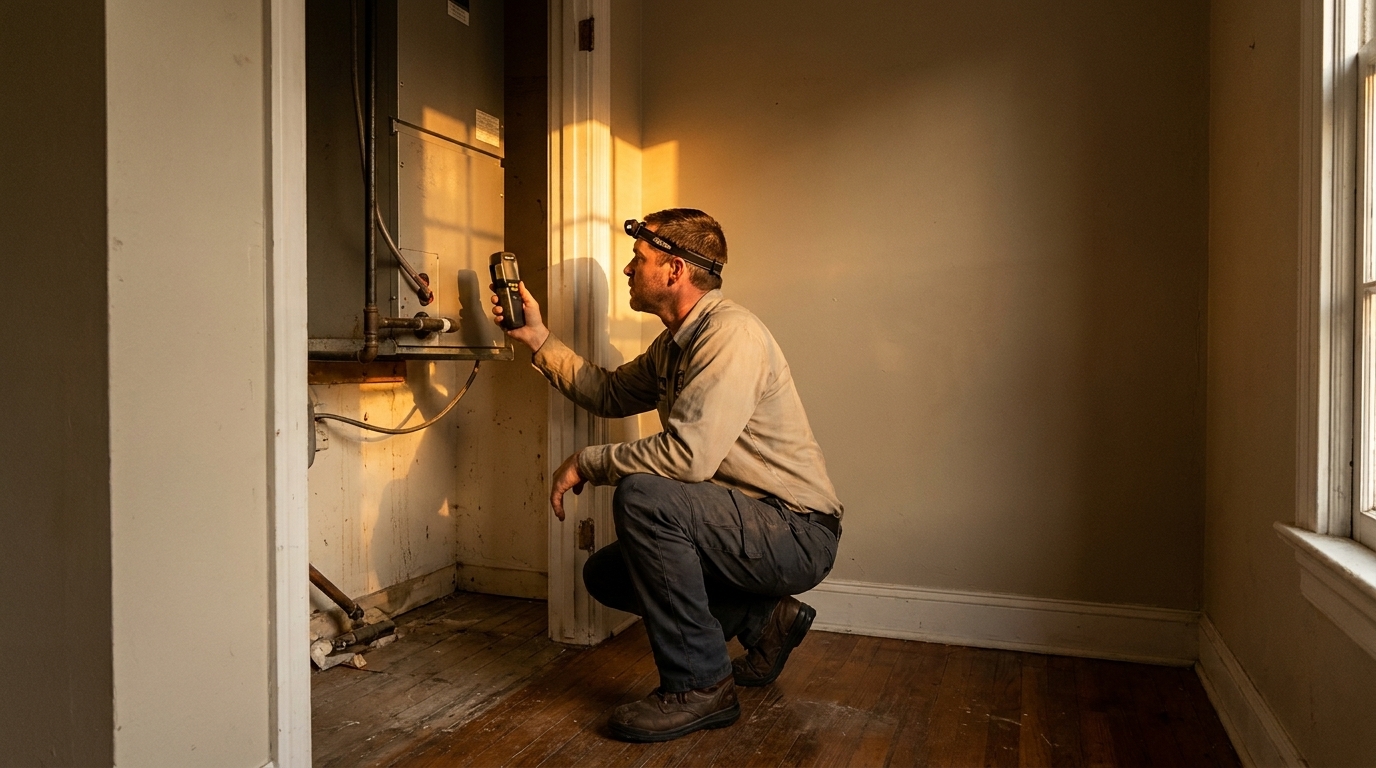
An HVAC inspection in St. Augustine, FL is a professional diagnostic visit where a technician evaluates the condition of your heating and cooling system — electrical connections, controls, airflow, ductwork, refrigerant-related components, and safety devices. Most residential inspections take about 1 to 2 hours and typically run $70–$500 depending on system type, home size, and location. The goal is diagnosis, not repair — you leave with a clear picture of what's working, what's wearing out, and what needs attention before the next St. Augustine summer.
What actually happens during an HVAC inspection?
A standard residential HVAC inspection takes roughly 1 to 2 hours and covers the heating and cooling equipment, electrical components, controls, airflow, ductwork, refrigerant-related components, and safety controls — whichever apply to your system. The technician's job is to diagnose the condition of each part, document what they find, and flag anything that could fail or drive up your power bill.
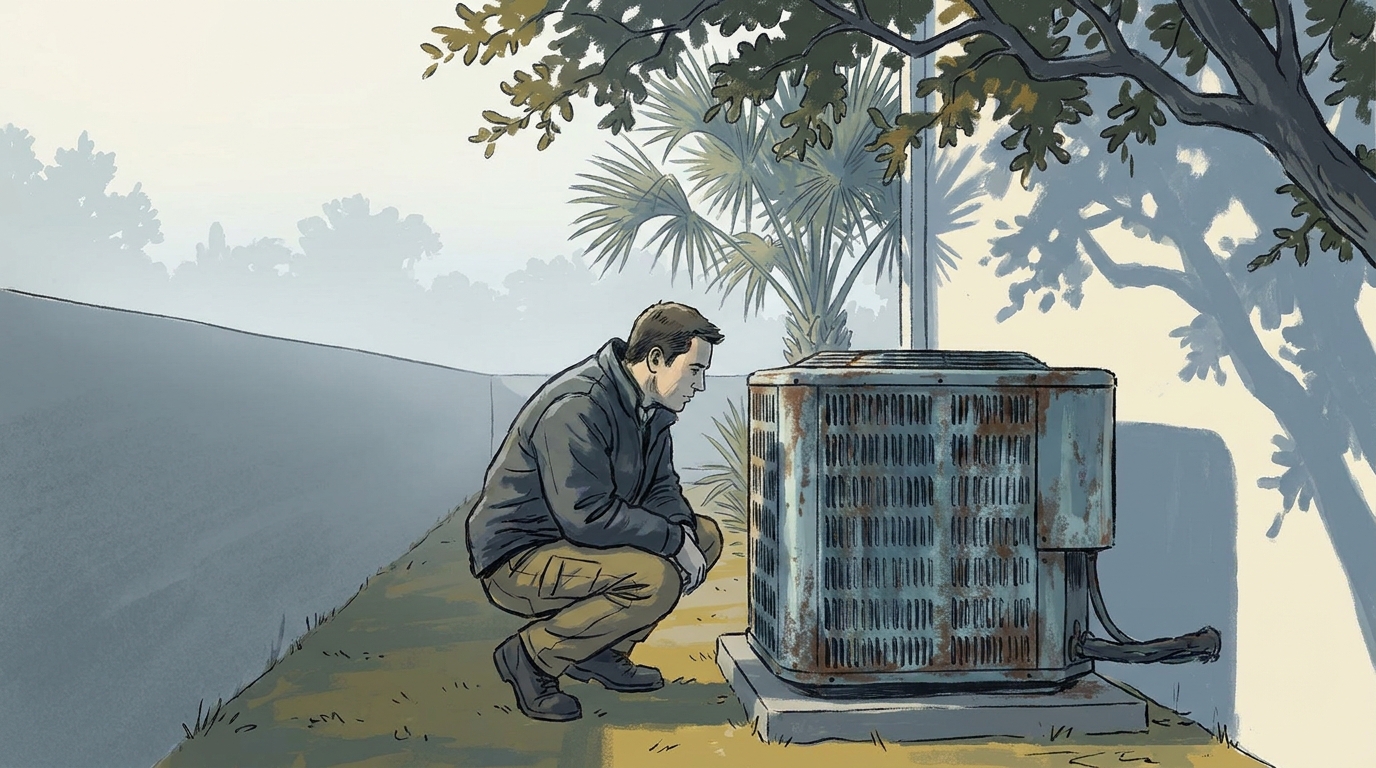
Here in coastal St. Johns County, that evaluation matters more than it might in a drier climate. Salt air, year-round humidity, and the age of a lot of the housing stock around downtown St. Augustine and Davis Shores all put extra load on condenser coils, electrical contacts, and drain lines. A good inspection catches those stress points before a July afternoon turns them into an emergency call.
At King of Home Solutions, we approach an inspection as a conversation as much as a checklist — walking you through what we see on the unit, in the attic, and at the thermostat so nothing is a mystery when the report lands in your inbox.
What components does the technician check?
A technician examines critical components including the thermostat, filters, electrical connections, and refrigerant levels to spot potential issues before they turn into costly repairs. On a cooling system that means condenser coils and refrigerant pressures; on a gas furnace it means burner flames and the heat exchanger, which is checked for cracks that could release carbon monoxide.
The specific checklist depends on the equipment. HVAC inspections cover central air conditioners, heat pumps, furnaces (gas, electric, or oil), ductless mini-splits, and boilers — each with unique parts that need attention. In St. Augustine, heat pumps and straight-cool split systems dominate; gas furnaces are far less common than in northern markets, but mini-splits are increasingly popular in older bungalows and converted garage apartments where ductwork would be invasive.
Typical inspection points by system type
| System | Key inspection points |
|---|---|
| Central AC | Refrigerant levels, condenser coil, electrical connections, thermostat, airflow |
| Heat pump | Refrigerant, reversing valve function, defrost cycle, coils, electrical |
| Gas furnace | Burner flames, heat exchanger (cracks), gas pressure, safety controls |
| Ductless mini-split | Indoor head coils, line sets, drain, remote/thermostat controls |
| Boiler | Burner, pressure, safety controls, piping condition |
How is an inspection different from a tune-up?
An HVAC inspection diagnoses the condition of your system. A tune-up is hands-on maintenance — cleaning coils, lubricating parts, replacing filters. The two overlap, but they are not the same visit, and knowing the difference saves you from paying for one and expecting the other.
A typical AC tune-up can include inspection, cleaning, electrical checks, thermostat calibration, refrigerant checks, ductwork inspection, and airflow testing — in other words, a tune-up usually contains an inspection, but an inspection alone does not include the cleaning and corrective work.
Our HVAC Maintenance Plan at King of Home Solutions is built around the tune-up side of that equation: two service visits per year that include cleaning evaporator and condenser coils, flushing drain lines and drain pans, checking wiring, compressor, thermostat, refrigerant pressures, safety devices, and providing proactive system recommendations. Plan members also receive 15% off all repairs.
How much does an HVAC inspection cost in St. Augustine?
Published industry figures put HVAC inspection cost at roughly $70–$500, depending on system type, home size, and location. A straightforward single-system inspection sits toward the low end; a larger home with multiple air handlers, a heat pump, and complex ductwork lands higher. Local pricing in St. Augustine may differ from that national range, so always confirm with the provider before scheduling.
One cost note worth understanding up front: repairs, replacement parts, extensive cleaning, and other maintenance tasks are not always included in an HVAC inspection unless specifically included in the service agreement. If the technician finds a failed capacitor or a clogged drain line, fixing it is usually a separate line item — not a surprise, just how diagnostic visits are priced.
How often should you schedule one?
A routine HVAC inspection should be scheduled at least once a year, and seasonal inspections can help prepare heating and cooling equipment for peak use. For St. Augustine homeowners, that means getting the cooling system looked at in spring — ideally before the humidity climbs in May and June — rather than waiting for a sweltering summer afternoon to discover a weak capacitor.
Signs your system needs an inspection sooner include unusual noises, strange odors, uneven heating or cooling, higher energy bills, frequent cycling, and poor airflow. Any one of those on a coastal home with an aging unit is worth a diagnostic visit, not a wait-and-see.
What a St. Augustine homeowner's experience can look like
⭐️⭐️⭐️⭐️⭐️ 10/10 — Exceptional Service from King of Home Solutions! It was a Tuesday evening when our A/C suddenly stopped working. Our house was already at 80 degrees and climbing! I reached out to King of Home Solutions, and Ryan Zabinsky, the owner, called me back almost immediately. He patiently walked us through a few things to check and, after realizing it was something beyond a simple breaker issue, told us he would come out that evening. What impressed us even more? Ryan was in Ponte Vedra watching his daughter cheer at her school’s basketball game, but that didn’t stop him from taking care of his customer. He even stopped by his office beforehand to pick up a part, anticipating what the problem might be based on our conversation. When Ryan arrived, it was already dark, and after a huge downpour earlier that afternoon, our backyard was completely soaked and flooded around the A/C unit. None of that deterred him. He was professional, knowledgeable, courteous, and determined to get us back up and running. He found the problem, made the repair, and then stayed an extra 30 minutes to make sure the system continued running properly. With our A/C unit being 10 years old, we honestly thought we were going to have to bite the bullet and purchase a new system. Instead, Ryan provided an honest, fairly priced repair and saved us from an unnecessary expense. That kind of integrity and customer service is hard to find! King of Home Solutions gets a 10/10 from the Burdsall Family! 🙌 They are responsive, reliable, knowledgeable, honest, fairly priced, and truly care about their customers. You can tell Ryan takes pride in his work and genuinely wants to help people, not just make a sale. We highly recommend King of Home Solutions for A/C, heating, and ventilation needs. They are definitely our go-to company from here on out! Excellent job, Ryan! Thank you for going above and beyond when we needed you most! 👏🏼👏🏼👏🏼 — The Burdsall Family ❤️
Reviews like Polly's are useful for one specific reason: they show what the diagnostic conversation looks like in practice — walking through the symptoms, identifying the likely part, and resolving it honestly rather than defaulting to a full-system replacement quote.
Frequently asked questions
How long does an HVAC inspection take in St. Augustine?
A typical residential HVAC inspection takes about 1 to 2 hours, depending on the equipment and scope of the visit. A single-zone split system goes faster; a larger home with multiple air handlers, a heat pump, and attic ductwork takes longer because the technician has to physically access and evaluate each component.
What is the difference between an HVAC inspection and a tune-up?
An HVAC inspection diagnoses the condition of your system — the technician evaluates and documents what they find. A tune-up involves hands-on maintenance tasks like cleaning coils, lubricating parts, and replacing filters. A tune-up visit usually includes inspection steps, but a standalone inspection does not include the cleaning and corrective work.
What does an HVAC inspection cover?
An HVAC inspection covers heating and cooling equipment, electrical components, controls, airflow, ductwork, refrigerant-related components, and safety controls, as applicable to the system. On a gas furnace it also includes checking the heat exchanger for cracks that could release carbon monoxide, and examining burner flames.
Are repairs included in the inspection price?
Not usually. Repairs, replacement parts, extensive cleaning, and other maintenance tasks are not always included in an HVAC inspection unless specifically included in the service agreement. If the technician finds something that needs fixing, expect it to be quoted separately so you can decide whether to proceed before the work starts.
How often should I have my HVAC system inspected?
At least once a year is the general recommendation, with seasonal inspections useful for preparing equipment for peak use. For St. Augustine homes, scheduling the cooling-system inspection in spring — before humidity and temperatures climb — is more useful than waiting until mid-summer, when technicians are booked solid responding to emergency calls.
What are signs my HVAC system needs an inspection sooner?
Watch for unusual noises, strange odors, uneven heating or cooling, higher energy bills, frequent cycling, and poor airflow. Any of these suggest a component is wearing out or operating inefficiently, and a diagnostic visit will cost far less than letting the issue progress into a compressor failure or a weekend emergency call during a heat wave.
The bottom line
An HVAC inspection is a diagnostic visit, not a repair visit — and for St. Augustine homeowners dealing with salt air, year-round humidity, and aging equipment, it's the single most useful hour or two you can give your system each year. Pair it with a maintenance plan if you want the cleaning and part-replacement side handled on the same cadence.
Readers in St. Augustine who want this handled professionally can reach King of Home Solutions at (904) 865-4663 or https://kingofhomesolutions.com to schedule an inspection or ask about the HVAC Maintenance Plan.