Slab Leak Detection in Charter Point, Jacksonville FL
Charter Point homeowners: learn the step-by-step way to detect a slab leak, what warning signs to trust, and when to call a licensed Jacksonville plumber.
If you suspect a slab leak in your Charter Point home, the fastest way to confirm it is a three-step check: shut off every fixture in the house, watch your water meter for movement, then walk the slab barefoot feeling for warm spots and listening for hissing near walls. Meter movement with everything off almost always means a hidden leak — and in a slab-on-grade Jacksonville home, that leak is very often under the concrete.
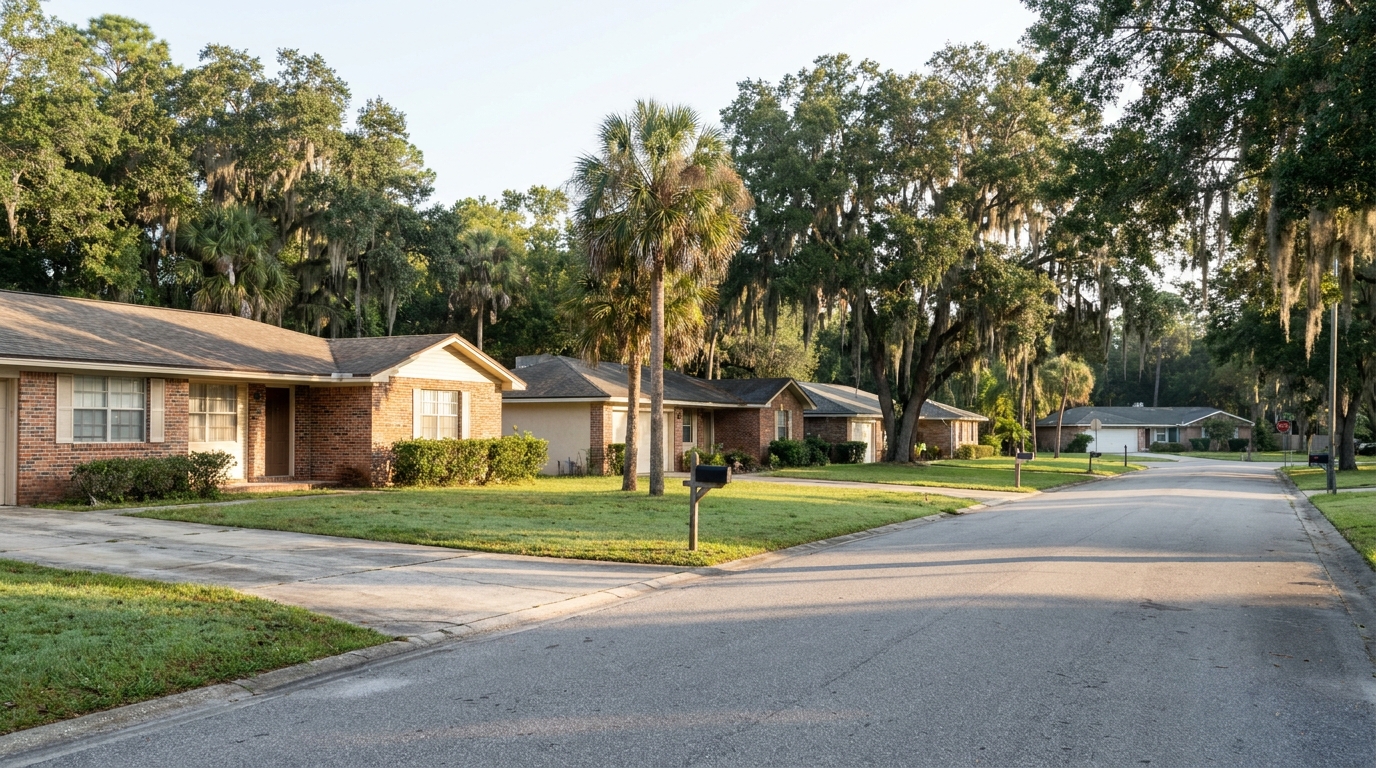
Charter Point's housing stock — mostly 1970s and 1980s slab-on-grade single-family homes off Dunn Avenue — is exactly the age where original copper supply lines start to fail. If you're reading this because something feels off with your water bill, floors, or sounds in the walls, the diagnostic process below is the same one we use at King of Home Solutions before we ever pick up a jackhammer.
What is a slab leak, and why are Charter Point homes vulnerable in 2026?
A slab leak is a pinhole or crack in the pressurized water lines running beneath your home's concrete foundation. In Charter Point, most homes were built between the mid-1970s and late 1980s on slab foundations with copper supply lines — piping that typically reaches end-of-life at 40 to 50 years, which is right now.
Jacksonville's sandy, shifting soils and mildly acidic groundwater accelerate pinhole corrosion on copper. Add high water pressure common in the Northside grid and you get a neighborhood-wide risk profile that's higher than newer PEX-plumbed subdivisions elsewhere in Duval County.
How do I detect a slab leak in my Jacksonville home, step by step?
Detecting a slab leak takes four homeowner checks done in order: the meter test, the floor-temperature walk, the sound test, and the visual sweep. Any single positive result is a strong signal; two or more means you should stop testing and call a licensed plumber before the leak undermines your foundation.
Step 1: The water meter test
Turn off every faucet, ice maker, irrigation zone, and appliance that uses water. Find your JEA water meter at the curb, lift the lid, and watch the small triangular or star-shaped leak indicator. If it spins — even slowly — water is moving somewhere it shouldn't. Recheck after 15 minutes to confirm.
Step 2: The barefoot floor walk
Walk your tile and laminate floors barefoot, especially in the kitchen, hallways, and bathrooms. A warm or hot spot on the floor means the hot-water supply line under the slab is leaking. In Charter Point ranch layouts, hot-water lines typically run from the garage utility area toward the kitchen and back bathrooms — start there.
Step 3: The sound test
At night, with the house quiet, put your ear against interior walls near plumbing fixtures. A faint hiss, drip, or rushing sound when nothing is running points to pressurized water escaping inside the slab or wall cavity.
Step 4: The visual sweep
Look for hairline cracks in tile grout, baseboards that feel damp, carpet with unexplained moist patches, or a musty smell in one specific room. Jacksonville's humidity hides small leaks fast — mold and mildew smell often shows up before visible water does.
What are the warning signs of a slab leak Jacksonville homeowners miss most?
The three most-missed slab leak warning signs are a JEA water bill that quietly climbs 15-30% month over month, a water heater that runs constantly to keep up with a hidden hot-line leak, and low water pressure at one specific fixture. Homeowners tend to blame the utility, the heater, or the faucet — when the real cause is under the concrete.
- Rising water bill with no lifestyle change — compare the last three JEA statements side by side
- Water heater cycling nonstop — a leaking hot line drains the tank continuously
- Warm spots on cool tile — most reliable single indicator of a hot-line slab leak
- Foundation cracks or doors that suddenly stick — soil erosion under the slab
- Sound of running water with everything off
- Mildew smell isolated to one room
How do professional plumbers confirm a slab leak in Charter Point homes?
Licensed plumbers confirm a slab leak with non-invasive electronic leak detection: acoustic listening equipment, thermal imaging cameras, and pressure-decay testing. These tools locate the leak to within inches before any concrete is opened, which is essential in Charter Point's finished slab homes where blind cutting means thousands in unnecessary flooring damage.
| Detection Method | What It Finds | Typical Cost Range |
|---|---|---|
| Water meter test (DIY) | Confirms a leak exists | Free |
| Acoustic listening device | Pinpoints leak location under slab | $150-$400 service call |
| Thermal imaging | Locates hot-water line leaks | $200-$500 |
| Pressure-decay test | Isolates hot vs. cold line | $150-$300 |
| Tracer gas detection | Finds tiny pinhole leaks | $300-$600 |
When should Charter Point homeowners call a plumber immediately?
Call a licensed Jacksonville plumber the same day if your water meter spins with everything off, if you feel a warm spot on the floor, or if you hear running water inside a wall. A slab leak losing even a gallon an hour undermines Florida's sandy sub-slab fill quickly, and Duval County's humid climate turns a small leak into mold within days.
King of Home Solutions handles slab leak detection and repair across Charter Point and the wider Northside. Our team carries the acoustic and thermal equipment needed to confirm the leak before any concrete work begins — which is the difference between a targeted spot repair and tearing up your kitchen floor. Our 4.9-star rating across 55 Google reviews reflects the communication and pricing customers consistently mention; one recent reviewer described the experience as "very responsive... great service, professional, on time, excellent communication and great price."
Frequently Asked Questions
How much does slab leak detection cost in Jacksonville, FL?
Professional slab leak detection in Jacksonville typically runs $150 to $600 depending on the method used. A basic acoustic listening service call starts around $150-$250, while combined thermal imaging and tracer gas detection for hard-to-find pinhole leaks can reach $500-$600. Most licensed plumbers apply the detection fee toward the repair if you proceed with them.
Can a slab leak fix itself or go away on its own?
No. Slab leaks never self-heal — pressurized water lines under concrete only get worse. Corrosion pinholes expand, soil under the slab erodes, and what starts as a $500 spot repair can become a $5,000 foundation and flooring project within months. If your meter test showed movement, the clock is running.
Will homeowners insurance cover a slab leak in Florida?
Florida homeowners policies typically cover the water damage caused by a sudden slab leak, but not the pipe repair itself or the cost to access the pipe through the slab. Coverage varies significantly by carrier and policy — call your insurer with the plumber's leak-location report in hand before authorizing repairs, and document everything with photos.
How long does slab leak repair take in a Charter Point home?
Most single-point slab leak repairs in Charter Point homes take one to two days: a few hours for detection, then either a spot repair through the slab or a pipe reroute above the slab. Whole-house repipes on older copper systems take three to five days. Timelines stretch if flooring restoration is needed after concrete work.
Should I repair the slab leak or repipe the whole house?
If your Charter Point home still has original 1970s or 1980s copper and you've had one slab leak, plumbers generally recommend evaluating a full repipe rather than repeated spot repairs. Once one pinhole appears, others in the same corroded system usually follow within a year or two. A repipe above the slab with PEX is often more cost-effective long-term.
Do I need a permit for slab leak repair in Jacksonville?
Yes. Plumbing work involving pipe replacement or slab penetration in Jacksonville requires a permit from the City of Jacksonville Building Inspection Division, and the work must be performed by a Florida state-licensed plumbing contractor. Unpermitted plumbing repairs can create problems when you sell the home and may void portions of your homeowners insurance coverage.
The bottom line for Charter Point homeowners
Detecting a slab leak yourself comes down to the meter test, the barefoot floor walk, the sound test, and the visual sweep — done in that order, in one evening. If any check comes back positive, the next step is professional confirmation before concrete gets cut. Charter Point homeowners who want this handled by a licensed local team can reach King of Home Solutions at https://kingofhomesolutions.com to schedule leak detection and get a clear repair plan before the damage spreads.