How to Fix a Leaking Pipe in Your Baymeadows, Jacksonville Home
A practical Baymeadows homeowner's guide to fixing a leaking pipe fast, when to call a Jacksonville plumber, and how to prevent the next leak.
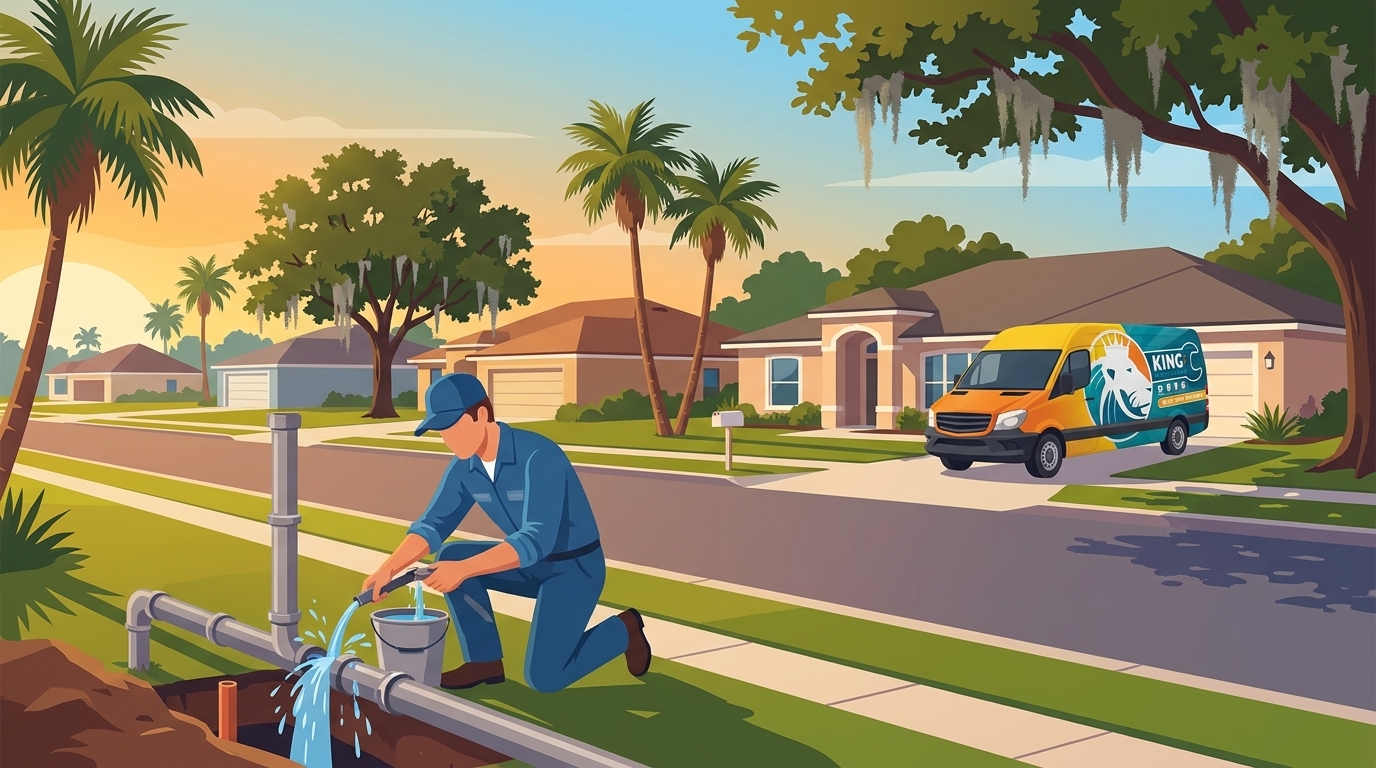
You walk into the laundry room, hear that faint hiss, and spot a slow drip under the sink. Or worse — you step onto a soggy patch of carpet in the hallway of your Baymeadows home and realize a pipe somewhere behind the wall has been leaking for who knows how long. Either way, the clock is ticking.
Baymeadows sits in a pocket of Jacksonville where the housing stock spans everything from 1970s and 80s ranch homes off Baymeadows Road to newer townhomes and condos closer to Deerwood and the Southside. That mix means pipe problems here can look very different from house to house — older galvanized lines, aging copper, or newer PEX all fail in their own ways. This guide walks you through exactly what to do when a pipe leaks, how to stop the damage, and when it's smarter to hand it off to a licensed plumber.
Step 1: Shut Off the Water Immediately
Before you do anything else, kill the water. This is the single most important step in any pipe leak.
For a small, isolated leak — like under a sink or behind a toilet — look for the local shutoff valve. It's usually a small oval or round handle on the supply line right where it meets the wall or floor. Turn it clockwise until it stops.
For anything bigger, or if you can't find a local valve, head to your main shutoff. In most Baymeadows homes, the main is either near the water heater, in the garage, or outside near the front hose bib. Some slab-built homes here have the main valve at the meter box near the curb — you may need a meter key to reach it.
Once the water is off, open a few faucets in the house to relieve pressure in the lines. This helps slow the leak while you figure out your next move.
Step 2: Find the Leak and Assess the Damage
Now you can inspect. Common leak sources in Jacksonville homes include:
- Corroded supply lines under sinks (especially in older Baymeadows homes with original plumbing)
- Loose or worn compression fittings behind toilets and washing machines
- Pinhole leaks in copper lines — common in homes with hard water
- Cracked PVC drain lines under slab foundations
- Split hose bibs, especially after a rare Jacksonville freeze event
If the leak is at a visible joint, dry the area completely with a towel and watch for a few minutes. A slow reappearance of moisture confirms the source. If water is pooling but you can't see where it's coming from, the leak may be inside a wall or under the slab — that's a job for a professional with leak detection equipment.
Step 3: Temporary Fixes That Actually Hold
These are stopgaps — not permanent solutions — but they'll buy you time until a plumber arrives or you can pick up parts.
Pipe repair clamp
A rubber-lined stainless steel clamp is the gold standard for a temporary fix on a pinhole or small crack. Wrap the rubber over the leak, tighten the clamp, and you'll usually get a watertight seal that can hold for days.
Epoxy putty
Two-part plumbing epoxy kneads together like clay and hardens over the leak. It works on copper, PVC, and galvanized pipe. Dry the pipe thoroughly first — this is the step most people skip, and it's why the patch fails.
Self-fusing silicone tape
Wrap it tightly around the leak with heavy overlap. It bonds to itself and creates surprising pressure resistance. Good for pinholes and hairline cracks on straight sections.
What doesn't work long-term: duct tape, electrical tape, or plumber's putty smeared over an active leak. These fail fast and often make the eventual repair messier.
Step 4: Making the Permanent Repair
Once you've stopped the immediate damage, the pipe still needs a real fix. What that looks like depends on the material.
Copper pipe
A pinhole in copper usually means the pipe is nearing the end of its life. The proper repair is to cut out the damaged section and solder in a replacement, or use a push-fit fitting like a SharkBite. If you've got multiple pinholes in the same run, replacing the whole line is smarter than chasing leaks one at a time.
PVC pipe
Cut out the damaged section, clean the ends, and glue in a new coupling with PVC primer and cement. Give it the full cure time — usually a couple of hours before you turn water back on — or the joint will blow.
PEX pipe
PEX is common in newer Baymeadows builds. Repairs use crimp rings or push-fit connectors. It's forgiving to work with, but you need the right tools.
Galvanized pipe
If you're dealing with galvanized in an older home, patching is a losing battle. These pipes corrode from the inside out, and once one section fails, others usually aren't far behind. Repiping in copper or PEX is the long-term answer.
When to Call a Plumber for a Leaking Pipe in Jacksonville
DIY makes sense for accessible, visible, small leaks. Call a licensed plumber when:
- The leak is inside a wall, ceiling, or under the slab
- You see water stains spreading across drywall or the ceiling
- Water pressure has dropped throughout the house
- The pipe is galvanized or you suspect widespread corrosion
- A shutoff valve itself is leaking or won't close
- You've made a temporary repair and it's still weeping
Florida requires plumbing work of any real scope to be performed by a licensed contractor, and the City of Jacksonville generally requires permits for repiping, water heater replacement, and slab leak repair. A licensed plumber handles the permit and inspection side so the work is documented — which matters if you ever sell your home.
King of Home Solutions is one of the Jacksonville plumbing companies homeowners in Baymeadows call for exactly this kind of work. Their 4.9-star Google rating reflects the themes reviewers mention most often: showing up on time, clear communication, and fair pricing. As one recent client put it, the team offered "excellent communication and great price" during a repair that had to happen on short notice.
Preventing the Next Leak
Jacksonville's humidity, occasional hard freezes, and mineral-heavy water all wear on residential plumbing faster than you'd think. A few habits go a long way:
- Insulate any exposed pipes in the garage or attic before winter — Jacksonville freezes are rare but destructive when they hit
- Replace washing machine supply hoses every five years, or upgrade to braided stainless
- Watch your water bill — an unexplained spike is often the first sign of a hidden leak
- If your home is more than 30 years old, have a plumber inspect the supply lines every few years
Frequently Asked Questions
How much does leaking pipe repair cost in Jacksonville?
Simple accessible repairs are usually in the low hundreds. Slab leaks, repiping, or in-wall repairs run considerably more because of the labor and drywall work involved. Getting a written estimate before work starts is standard practice.
Can I turn the water back on after a temporary patch?
Yes, but keep water pressure lower if possible and check the patch every few hours. Temporary fixes are for buying time, not for long-term use.
How fast can a plumber respond to a burst pipe in Baymeadows?
For an active burst, most Jacksonville plumbers offering emergency service can be on-site within a couple of hours. Shut the water off at the main while you wait — that's what saves your floors and drywall.
The Bottom Line
A leaking pipe is one of those problems where the first ten minutes matter more than the next ten hours. Shut the water off, stabilize the leak, and then decide whether it's a fix you can handle or one that needs a licensed pro. For homeowners in Baymeadows and across Jacksonville who'd rather have the repair handled properly the first time — permits, inspection, and warranty included — King of Home Solutions can be reached at https://kingofhomesolutions.com for an estimate.