Hurricane HVAC Preparation in Ponte Vedra, FL: 2026 Guide
A practical HVAC storm prep checklist for Ponte Vedra, FL homeowners — protect your AC unit before, during, and after hurricane season.
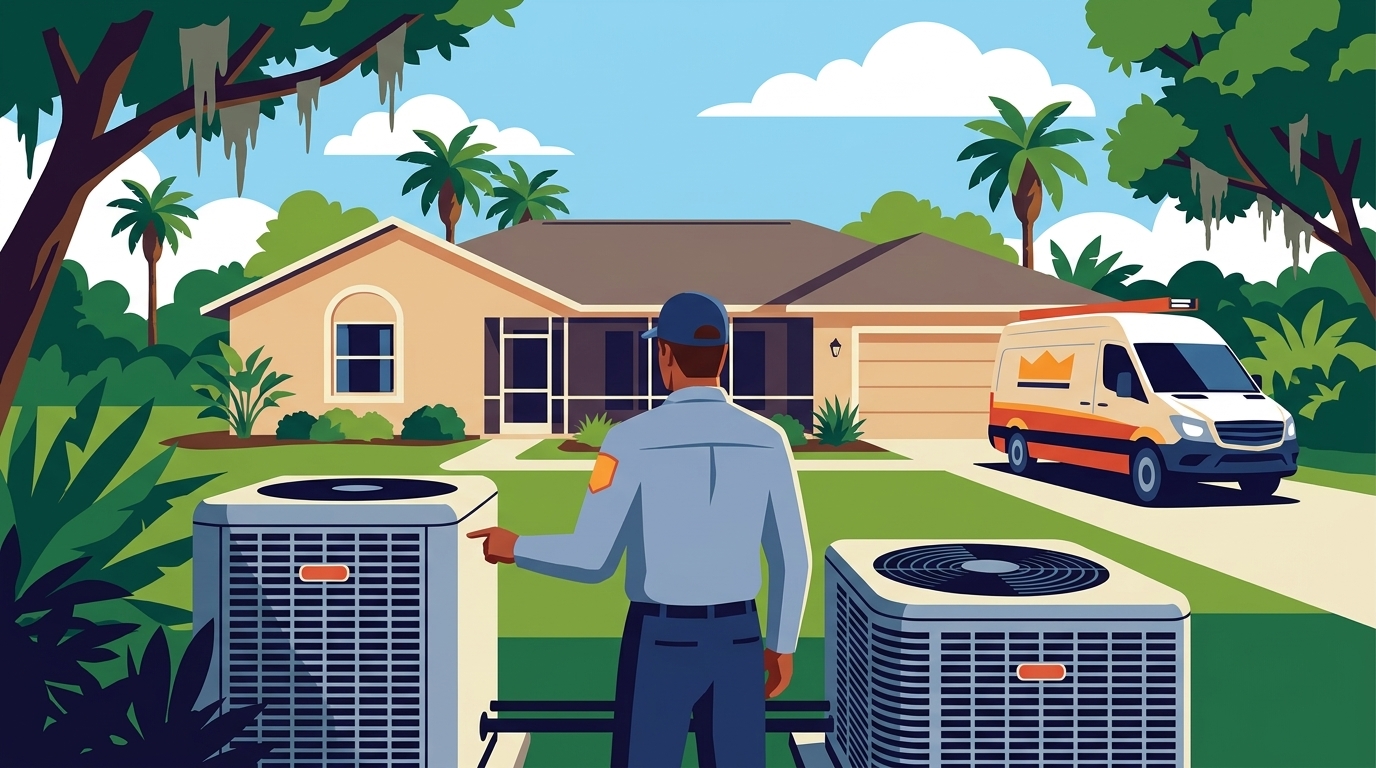
If you own a home in Ponte Vedra, FL, your HVAC system is one of the most expensive pieces of equipment sitting exposed to hurricane winds, storm surge, and salt-heavy air. Preparing it before the storm — not after — is the difference between a quick post-storm restart and a five-figure replacement. This guide walks you through exactly what to do, when to do it, and why it matters on Florida's First Coast.
When should you start hurricane HVAC prep in Ponte Vedra, FL?
Start your HVAC hurricane prep by June 1, the official beginning of Atlantic hurricane season, and finish your major inspections before peak activity in August through October. Ponte Vedra sits on a barrier-adjacent stretch of coast where storms tracking up from the Bahamas or across North Florida can bring damaging gusts, tidal flooding along the Intracoastal, and days of power outages.
Waiting until a named storm is in the cone is too late. Reputable HVAC crews book out fast once the National Hurricane Center issues a watch, and parts distributors in Jacksonville often go on allocation. A calm week in June is when this work gets done well.
The HVAC storm prep checklist for Florida homeowners
Here is the short version — the same checklist we use when walking through a Ponte Vedra home before hurricane season:
- Full system tune-up — coils cleaned, refrigerant checked, drain line cleared, electrical connections tightened.
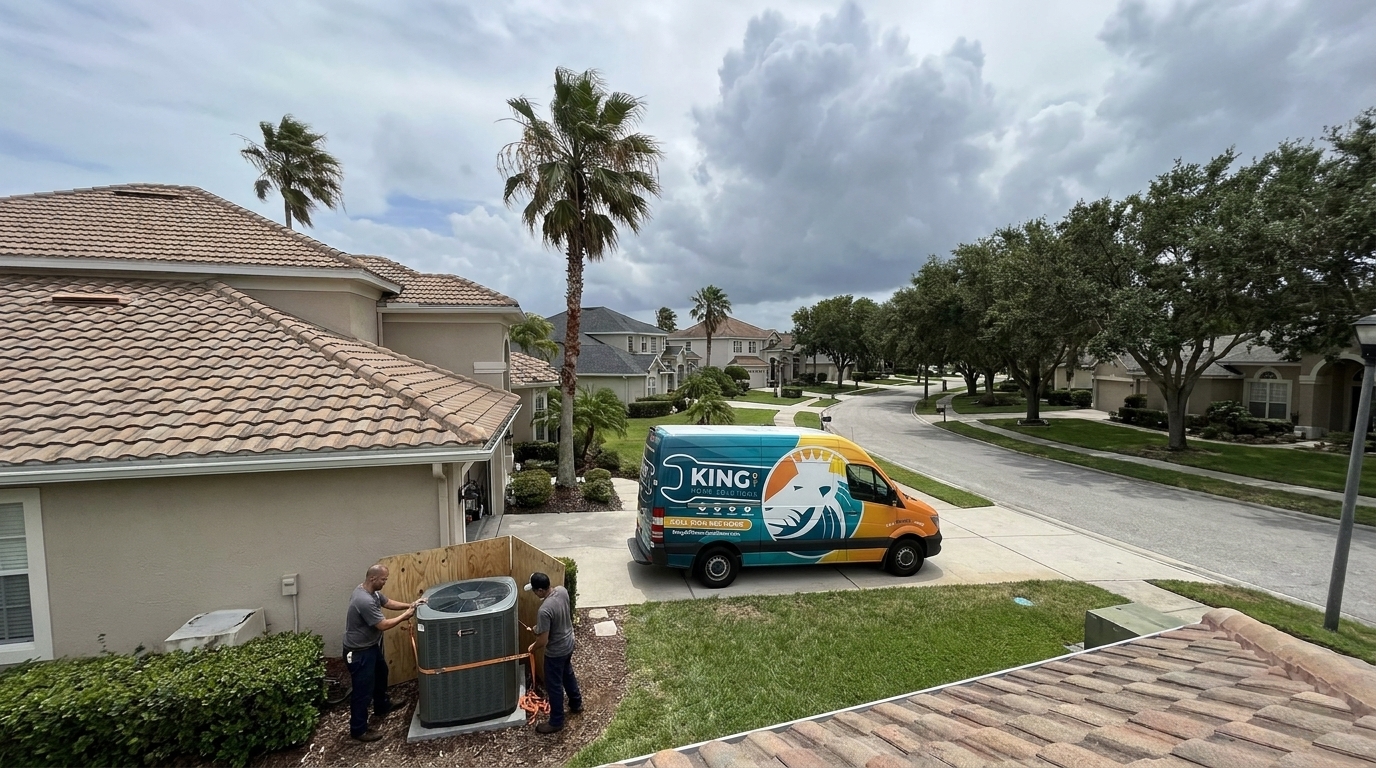
- Outdoor unit anchoring — verify hurricane straps or a code-compliant condenser pad.
- Surge protection — install or test a whole-home and dedicated HVAC surge protector.
- Elevation check — confirm the condenser is high enough to clear expected surge or heavy rain pooling.
- Sealed penetrations — refrigerant line sets, disconnect boxes, and wall entries caulked against wind-driven rain.
- Photograph everything — clear photos of the outdoor unit, model/serial plate, and indoor air handler for insurance.
- Shutdown plan — know exactly how to power your system down at the breaker before landfall.
How do you protect an AC unit during a hurricane in Florida?
The single most important step is to turn the system off at the thermostat AND at the breaker before the storm arrives. Running an HVAC system during a hurricane invites power-surge damage, compressor lock-up from voltage sag, and water intrusion through the ductwork if the air handler is pulling humid, debris-laden air.
Secure the outdoor condenser
Your condenser (the big metal box outside) is designed to take weather, but not flying palm fronds or a loose grill from three houses down. Hurricane straps that anchor the unit to the concrete pad are required under current Florida Building Code for new installs in wind-borne debris regions, which includes coastal St. Johns County. If your unit is older, it may not have them — that's the first thing to verify.
Cover it — but only right before landfall
A breathable condenser cover or a tarp bungeed loosely over the top can deflect debris. Put it on only in the final hours before the storm and remove it immediately after. Leaving a cover on in Florida humidity traps moisture and rots the coils faster than the storm ever would.
Elevate if you're in a flood-prone area
Homes closer to the Intracoastal, near Palm Valley, or in the low-lying pockets east of A1A often benefit from a raised condenser stand. Even a foot of saltwater intrusion into an outdoor unit typically means a full replacement — insurance may cover the equipment, but not the two-week wait in August heat.
What to do with your HVAC system after the storm
Do not turn your system back on until you've done a visual inspection and, ideally, had a technician verify it. Power flickers during and after a hurricane are the leading cause of compressor failure we see across Ponte Vedra, Nocatee, and Sawgrass after every major storm.
Look for these red flags
- Standing water inside or around the condenser
- Bent fan blades or debris lodged in the coil fins
- Disconnected refrigerant lines or crushed line-set insulation
- A tripped breaker that immediately trips again when reset
- Burning smell, humming without startup, or ice on the lines
If you see any of those, leave the system off and call a licensed HVAC contractor. Running a compromised unit for even a few minutes can turn a $400 repair into a $9,000 replacement.
Change your filter and check the drain line
Once power is stable and the system is cleared for restart, swap the filter and confirm the condensate drain is flowing. Prolonged humidity during outages leads to algae buildup, and a clogged drain will flood a Ponte Vedra air handler closet faster than most homeowners expect.
Surge protection: the step most homeowners skip
Whole-home surge protection at the panel, combined with a dedicated surge device at the HVAC disconnect, is the cheapest insurance you can buy against hurricane season. The utility grid on the barrier islands and mainland Ponte Vedra sees repeated brownouts and restarts during and after storms, and modern variable-speed HVAC systems have sensitive control boards that don't tolerate that abuse.
A properly installed HVAC surge protector generally runs a few hundred dollars — a rounding error against the cost of a new control board, ECM motor, or compressor.
Insurance, permits, and documentation for coastal Florida
Before hurricane season, pull out your homeowner's policy and confirm your HVAC equipment is covered under the wind and named-storm sections, not just general perils. Florida wind deductibles are often a percentage of your dwelling coverage, which can be significant on Ponte Vedra homes.
Any HVAC replacement in St. Johns County requires a permit, and coastal installs must meet current wind-load requirements. Beware of any post-storm contractor who offers to swap out a unit without pulling a permit — that shortcut voids manufacturer warranties and can complicate future insurance claims.
Why professional pre-season inspections matter
A pre-hurricane tune-up catches the small issues — a marginal capacitor, a loose contactor, a slightly low refrigerant charge — that turn into failures when your system is asked to run hard through 95-degree post-storm afternoons on generator power. It's also when a technician can confirm your straps, pad, disconnect, and surge protection are all where they should be.
King of Home Solutions handles this kind of pre-season HVAC storm prep for Ponte Vedra homeowners, and reviews consistently reflect the pattern you want from a coastal contractor: on-time arrivals, clear communication, and thorough work. One recent client described the team as "professional, knowledgeable, and very thorough throughout the entire process" — which is exactly the standard hurricane prep demands.
Frequently asked questions
Should I cover my AC unit during a hurricane?
Only briefly, and only right before the storm. A cover or tarp secured in the final hours before landfall can deflect debris, but it should come off immediately after so trapped humidity doesn't damage the coils.
Do I need to turn off my HVAC before a hurricane?
Yes. Shut it down at the thermostat and at the breaker before the storm hits Ponte Vedra. This prevents surge damage and protects the compressor from voltage drops during the outage.
How high should my AC condenser be off the ground in Florida?
For coastal St. Johns County homes, most contractors recommend the condenser sit on a pad or stand that keeps it above expected flood and surge levels for your specific address. Your flood zone and elevation certificate should guide the exact height.
Is HVAC damage from a hurricane covered by homeowners insurance?
It depends on the cause and your policy. Wind damage is typically covered under a named-storm or hurricane provision (often with a separate deductible), while flood damage generally requires a separate flood policy. Confirm both before June.
How often should my HVAC be serviced in coastal Florida?
Twice a year — once in spring before cooling season and hurricane prep, and again in fall. Salt air on the First Coast is hard on outdoor equipment, and biannual service extends system life meaningfully.
Bottom line for Ponte Vedra homeowners
Hurricane HVAC preparation isn't complicated, but it is time-sensitive and location-specific. The homes that come through storm season best are the ones whose owners scheduled a tune-up in June, verified their straps and surge protection, documented their equipment, and had a clear shutdown plan before the first named storm formed.
Homeowners in Ponte Vedra, FL who want this handled professionally can reach King of Home Solutions at kingofhomesolutions.com for a pre-season inspection or a post-storm assessment. It's a practical way to head into hurricane season knowing your system is ready for whatever the Atlantic sends this year.