Musty AC Smell in Florida: What's Causing It and How to Get Rid of It — Baymeadows
Why does your AC smell musty in Baymeadows, Ponte Vedra? Learn the causes of Florida AC odors, how to fix them, and when to call an HVAC pro.
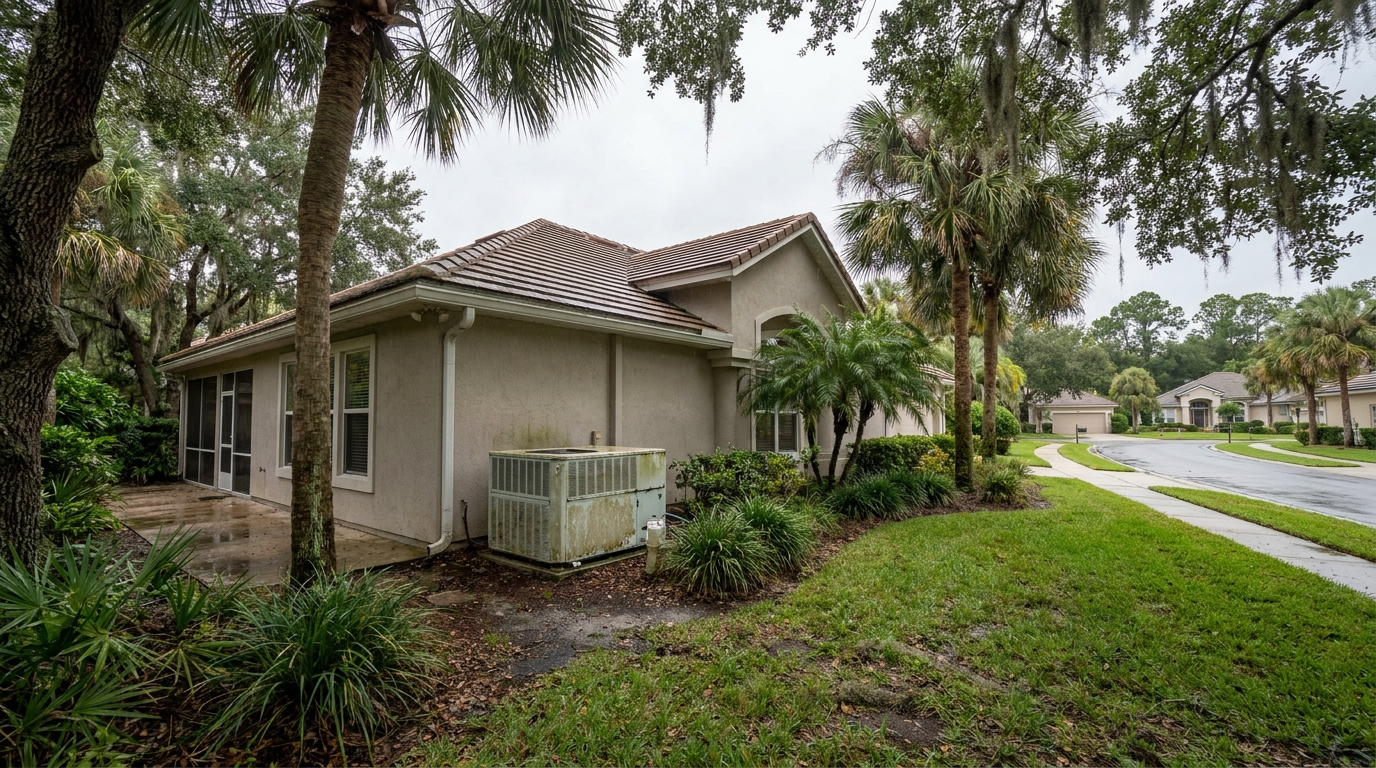
You walk into your Baymeadows home after a hot afternoon, flip the thermostat down, and instead of clean, cool air, you get a whiff of something that smells like a damp gym bag. If you've asked yourself "why does my AC smell musty in Florida?" — you're in good company. It's one of the most common calls we take from homeowners across Baymeadows and the wider Ponte Vedra area, especially between May and October when the humidity outside barely dips below 75%.
Here's the short answer: that musty smell is almost always microbial growth — mold, mildew, or bacteria — living somewhere inside your air conditioning system. The longer answer is more interesting, and it explains why Baymeadows homes get hit harder than the national average.
Why Musty AC Smells Are So Common in Baymeadows Homes
Baymeadows sits in a pocket of northeast Florida where coastal humidity, tree canopy, and a mix of older ranch-style homes and mid-century builds create the perfect storm for AC odor problems. Many of the homes here were built between the 1970s and 1990s, which means original ductwork, undersized returns, and attic-mounted air handlers are common. All three of those things make musty smells more likely.
Compare that to newer construction in other parts of Ponte Vedra — tighter envelopes, better-sealed ducts, and variable-speed equipment — and it's easy to see why we get more mildew-smell calls from Baymeadows specifically. Older systems in a subtropical climate simply hold more moisture.
Florida's summer dew points routinely sit in the mid-70s. Every time your AC cycles off, warm humid air seeps into the system and condenses on cold coils and duct interiors. That moisture, plus dust, plus organic material, equals mold food. Once colonies establish themselves, they release the volatile compounds you smell every time the blower kicks on.
The Five Most Common Causes of a Musty AC Smell in Florida
1. A Clogged or Slow-Draining Condensate Line
Your AC pulls gallons of water out of Baymeadows air every day. That water is supposed to drain out through a PVC condensate line, usually exiting near an exterior wall or into a utility sink. When the line clogs with algae or biofilm — which happens constantly in Florida — water backs up into the drain pan and stagnates. That standing water is the number-one source of the mildew smell we diagnose in local homes.
2. A Dirty or Waterlogged Evaporator Coil
The evaporator coil is the cold component your indoor air passes over. In humid climates like ours, it stays wet for long stretches. Dust sticks to the wet fins, biofilm forms, and mold takes hold. If you can smell the odor most strongly when the system first turns on, a fouled coil is a likely culprit.
3. Saturated or Moldy Ductwork
Flex duct in Baymeadows attics goes through brutal summers. When ducts sweat on the outside or leak humid attic air on the inside, insulation gets damp and mold grows on the inner liner. Once ducts are contaminated, cleaning alone often isn't enough — sections may need to be replaced.
4. A Clogged Air Filter
A dirty filter restricts airflow, which drops coil temperature, which increases condensation, which feeds mold. If you haven't changed your filter in the last 60 days and you're smelling something funky, start there.
5. Oversized Equipment (The "Florida Special")
An AC that's too big for the home short-cycles — it cools the air quickly but shuts off before it can pull enough humidity out. Indoor humidity climbs, mold thrives, and smells develop. This is surprisingly common in Baymeadows homes where a previous owner "upgraded" to a larger unit thinking bigger equals better. It doesn't. Right-sized equipment is the fix.
How to Get Rid of the Musty Smell — Step by Step
Here's the sequence we recommend for Ponte Vedra homeowners tackling this at home before calling in a pro:
- Change your air filter. Use a MERV 8–11 pleated filter and set a calendar reminder for every 60 days during summer, 90 in winter.
- Flush your condensate line. Locate the access tee near your air handler, pour a cup of distilled white vinegar through it, and let it sit for 30 minutes. Do this monthly from April through October.
- Check the drain pan. If you see standing water or slimy residue, the line is partially blocked. Clear it, then clean the pan with a mild bleach solution.
- Inspect visible ductwork and returns. Pull the return grille off and shine a flashlight inside. Dark streaks or fuzzy patches mean it's time for a professional inspection.
- Run the fan on "auto," not "on." Continuous fan mode blows moisture off the coil back into your home. Auto mode gives the coil time to drain between cycles.
- Add a UV light or upgrade to a dehumidifying system. UV lamps installed near the coil kill microbial growth on contact. For homes with chronic humidity, a whole-home dehumidifier paired with the AC solves the problem at the source.
If the smell persists after all six steps, the issue is likely inside the coil housing or ductwork — both of which require a licensed HVAC technician to safely access and remediate.
When to Call a Professional
Florida requires HVAC work to be performed by a state-licensed contractor for anything beyond basic filter changes and maintenance. If you're dealing with coil cleaning, refrigerant, duct replacement, or UV light installation, those jobs fall under Florida's Class A or Class B air conditioning contractor licensing rules and need to be handled by a credentialed pro.
At King of Home Solutions, we've cleared enough condensate lines and diagnosed enough moldy coils in Baymeadows to spot the pattern quickly. Our team handles the full workflow — inspection, remediation, and the humidity control recommendations that keep the smell from coming back. King of Home Solutions holds a 4.9★ rating across Google reviews, and one recent client described the experience as "professional and reliable" with clear plain-language explanations, which is exactly the approach we take on musty-smell diagnostics.
FAQ: Musty AC Smells in Ponte Vedra
Is a musty AC smell dangerous?
It can be. Mold spores circulating through your ducts can aggravate asthma, allergies, and sinus issues — especially in kids and older adults. It's worth addressing quickly rather than masking with air fresheners.
Will the smell go away on its own?
No. Mold and biofilm don't disappear without intervention. In Florida's humidity, they get worse.
How often should I have my AC serviced in Baymeadows?
Twice a year is the standard we recommend — once before summer humidity peaks and once heading into the cooler months. Coastal air and heavy runtime hours mean Ponte Vedra systems work harder than the national norm.
Can I just use a scented filter?
Scented filters mask the smell without fixing the cause. They also don't kill the mold producing it. Skip them.
The Bottom Line
A musty AC smell isn't something to live with, and it's rarely something you need to replace your whole system over. In most Baymeadows homes, the fix comes down to moisture management: clean the drain line, clear the coil, control humidity, and right-size the equipment. Do that, and the smell goes away and stays away.
Homeowners in Baymeadows and greater Ponte Vedra who want this handled professionally can reach King of Home Solutions at https://kingofhomesolutions.com for a free estimate and a straightforward diagnosis.