AC Breakdown in Summer? Jacksonville, FL First Steps
AC broke down in Jacksonville summer heat? Follow this checklist of safe, smart first steps homeowners can take before help arrives.
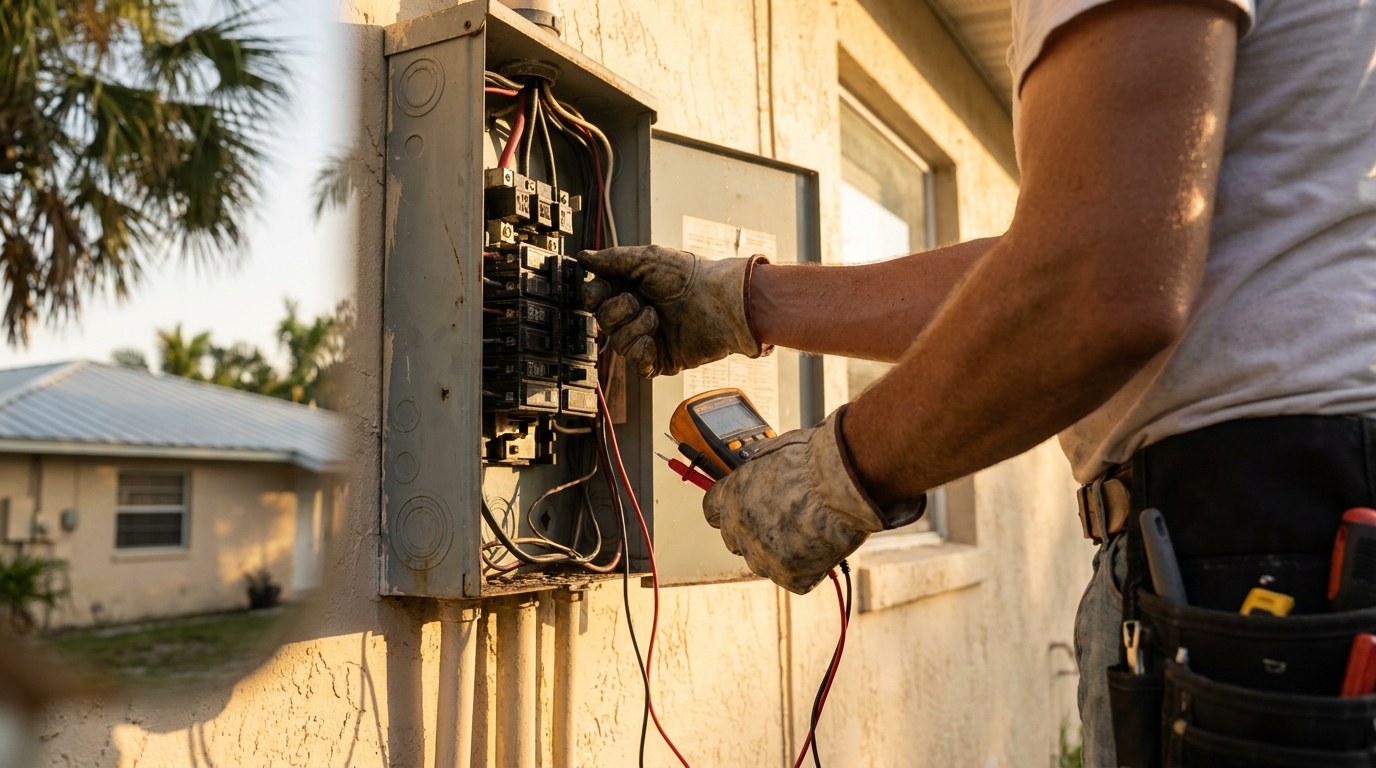
When your AC breaks down during a Jacksonville summer, do these four things first: switch the thermostat to OFF (not just AUTO), flip the AC breaker at your electrical panel, check that the outdoor unit is clear of debris, and call a licensed HVAC contractor. Then cool your home passively — close blinds, run fans, hydrate, and move to the lowest level of the house until repairs are made.
Anyone who has lived through a July afternoon in Jacksonville knows the moment the air stops moving. Humidity climbs fast off the St. Johns River, indoor temperatures can hit the mid-90s within a couple of hours, and the discomfort turns into a real safety issue for kids, pets, and older family members. The good news: a handful of quick, informed steps can protect your home, your system, and your family while you wait for a technician.
What is the very first thing to do when your AC breaks down in Jacksonville summer heat?
Turn the thermostat fully OFF — not just to AUTO — and shut off the AC breaker at your electrical panel. A system that keeps trying to run with a frozen coil, failed capacitor, or refrigerant issue can burn out the compressor, which is the single most expensive part to replace. Cutting power protects the equipment until a technician arrives.
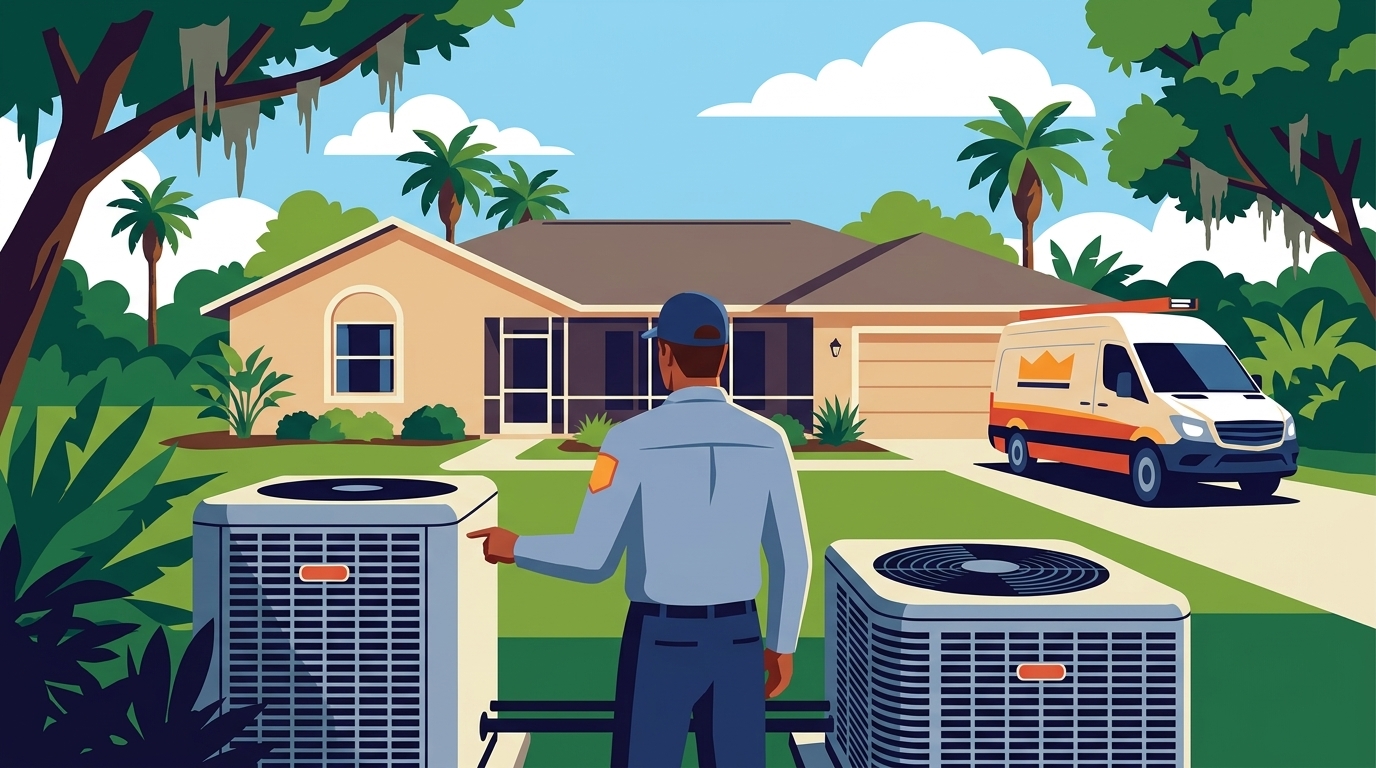
Once power is off, take a quick look at the outdoor condenser unit. Clear away leaves, grass clippings, or debris blown in by summer thunderstorms. If you spot ice on the copper lines or the indoor coil, leave the system off and let it thaw completely before anyone runs diagnostics — usually two to four hours.
How do you keep your home cool while waiting for AC repair in Jacksonville?
Close every blind, curtain, and shade on the sun-facing side of the house, run ceiling and box fans on high, and keep interior doors open so air moves freely. Hydrate constantly, avoid the oven and dryer, and if possible move activities to the ground floor where temperatures stay 5-10 degrees cooler than upstairs bedrooms.
Jacksonville's heat index regularly runs 105°F+ in July and August, per National Weather Service Jacksonville advisories. That combination of temperature and humidity is dangerous, not just uncomfortable. If your indoor temperature climbs above 90°F and you have young children, elderly family, or pets, relocate to a cooled space — a neighbor's home, a hotel, or a public library in your area of town (Southside, Mandarin, Riverside, or the Beaches all have branches with strong AC).
Quick passive-cooling checklist
- Shut blinds on the east side in the morning, west side in the afternoon
- Place a shallow pan of ice in front of a box fan for short-term relief
- Take cool (not cold) showers to drop core body temperature
- Unplug heat-generating electronics — desktop PCs, gaming consoles, extra TVs
- Sleep on the lowest level of the home if the outage runs overnight
What simple troubleshooting can you try before calling an HVAC contractor?
Check three things: thermostat batteries, the air filter, and the breaker. A dead thermostat battery is the most common false alarm. A filter clogged after months of Florida pollen and dust can freeze the coil and shut the system down. A tripped breaker can be reset once — if it trips again immediately, stop and call a professional, because that points to an electrical fault.
Also check the condensate drain line. Jacksonville's humidity means your AC pulls gallons of water out of the air every day, and biological growth in that PVC line is one of the top reasons systems shut off in summer. If you see standing water near the indoor air handler or a full drip pan, the safety float switch has done its job. Clearing that line is a common service call our team at King of Home Solutions handles almost daily during summer.
When should you call for emergency AC service in Jacksonville, FL?
Call immediately if you smell burning, see smoke, hear grinding or repeated electrical clicking, notice water pooling around the air handler, or if anyone in the home has a health condition made worse by heat. Also call right away if the outage happens during a heat advisory, which the NWS issues frequently for Duval County between June and September.
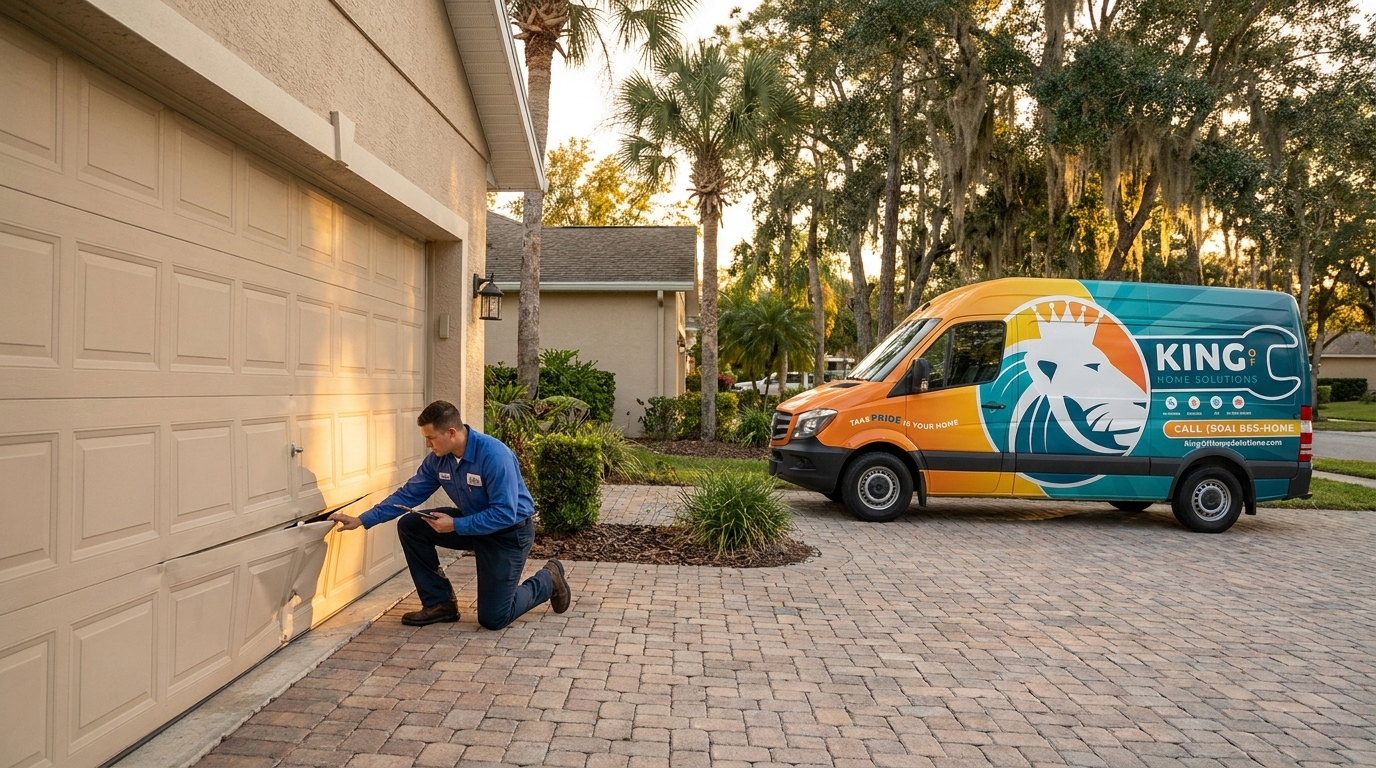
For everything else — a system that simply stopped cooling, warm air blowing from vents, or a unit that won't turn on despite good power — same-day or next-morning service is usually appropriate. King of Home Solutions runs a residential HVAC service across Jacksonville and the surrounding Duval County area, and holds a 4.9-star rating across 55 Google reviews, with customers frequently noting responsiveness even during holiday weeks.
How much does emergency AC repair typically cost in Jacksonville in 2026?
Most Jacksonville homeowners spend between $150 and $650 for common summer repairs — capacitor replacement, contactor swap, drain-line clearing, or refrigerant recharge. Compressor failures and full system replacements run considerably higher. After-hours or weekend service typically adds a diagnostic fee on top of the repair. Always ask for a written estimate before work begins.
| Common Summer Repair | Typical Cost Range (2026) | Usual Time on Site |
|---|---|---|
| Capacitor replacement | $150 – $350 | 30-60 minutes |
| Contactor replacement | $150 – $300 | 30-60 minutes |
| Condensate drain clearing | $100 – $250 | 45-90 minutes |
| Refrigerant leak + recharge | $350 – $1,200+ | 1-3 hours |
| Blower motor replacement | $450 – $900 | 2-3 hours |
| Compressor replacement | $1,500 – $3,500+ | 4-8 hours |
How can Jacksonville homeowners prevent the next summer AC breakdown?
Schedule a professional tune-up in spring before humidity peaks, change filters every 30-60 days during cooling season, keep 2-3 feet of clearance around the outdoor condenser, and flush the condensate line with a cup of distilled vinegar monthly. Florida-licensed HVAC contractors are required under state rules (Florida DBPR, license type CAC) to perform this work, so verify a license number before hiring anyone.
Coastal homes near the Beaches, Atlantic Beach, and Neptune Beach also benefit from an annual coil rinse to remove salt buildup, which shortens condenser life dramatically. Homes in older neighborhoods like Riverside, Avondale, and Springfield often have undersized ductwork or aging systems that struggle in August — an early-season inspection catches those issues before they leave you sweating.
Frequently Asked Questions
Is it safe to run my AC if it's blowing warm air?
No. Continuing to run an AC that blows warm air can destroy the compressor, turning a $200-$400 repair into a $1,500-$3,500 replacement. Warm-air symptoms usually point to low refrigerant, a failed capacitor, a frozen coil, or a tripped outdoor unit. Shut the system off at the thermostat and the breaker, and schedule a diagnostic visit with a licensed Jacksonville HVAC contractor.
Why does my AC keep freezing up in Jacksonville summer?
Coils freeze when airflow drops or refrigerant is low — both common in Jacksonville's humid summer. The usual causes are a clogged air filter after heavy pollen season, blocked return vents, a dirty evaporator coil, or a slow refrigerant leak. Turn the system off for two to four hours to thaw completely, replace the filter, and if it refreezes, call a technician before the compressor is damaged.
How long should an AC unit last in Jacksonville's climate?
Most residential AC systems in Jacksonville last 10-15 years, on the shorter end of the national 15-20 year range because of long cooling seasons, salt air near the coast, and high humidity that stresses components. Systems that receive annual professional maintenance and regular filter changes routinely reach the upper end. Coastal homes near the Beaches often see condenser lifespans closer to 8-12 years.
Do I need a permit to replace my AC in Jacksonville, FL?
Yes. The City of Jacksonville and Duval County require a mechanical permit for AC replacement, and the work must be performed by a Florida-licensed HVAC contractor (state license type CAC through the Florida DBPR). Homeowner DIY installs are generally not permitted for central systems. Reputable contractors pull the permit for you and coordinate the required inspection as part of the job.
What temperature should I set my thermostat to during a Jacksonville heat wave?
78°F is the widely recommended setting during peak summer, per U.S. Department of Energy guidance, balancing comfort with system load. During extreme heat advisories, avoid setting the thermostat below 72°F — a healthy AC system can typically only pull indoor temperatures about 20°F below outdoor temperature, so aggressive settings on a 98°F day just run the compressor nonstop without cooling further.
Who should I call for emergency AC repair in Jacksonville?
Call a licensed, insured Florida HVAC contractor with strong local reviews and clear pricing. Verify the CAC license number on the Florida DBPR website before scheduling. King of Home Solutions provides residential HVAC repair across Jacksonville with published pricing, on-time arrival windows, and a 4.9-star Google rating. One recent reviewer noted the team was "very responsive (even during a holiday week), great service, professional, on time."
Getting your home cool again
A summer AC failure in Jacksonville is stressful, but the first hour matters more than most homeowners realize. Shut the system down, cool the house passively, do the three quick checks — thermostat, filter, breaker — and get a licensed contractor scheduled. Those steps protect the expensive parts of your system while you wait, and they give the technician a cleaner starting point when they arrive.
Jacksonville homeowners who want this handled professionally can reach King of Home Solutions at https://kingofhomesolutions.com to schedule a diagnostic or same-day service call.